Archive for profiles
You are browsing the archives of profiles.
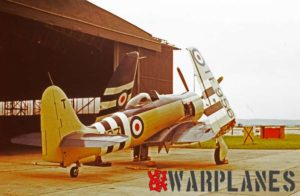
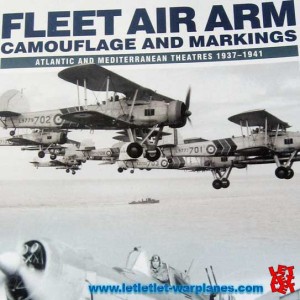
The appearance of naval aircraft in the late 1930s and early 1940s was governed by considerations that were common to most military aircraft of the period. In the wartime the primary consideration was concealment of the aircraft from the enemy; but at the same time, it had to be readily identified as friendly by allied [...]
Last week, on 22 October 2009 the first batch of the Fokker S-14 book finally arrived at the publisher’s office at Maarssen. First book sales took place on Saturday 24 October during the large IPMS Euro Scaling event at Nieuwegein. The book is the result of almost 3 years of intensive research both by me [...]
Subject of the camouflage and markings of Japanese aviation is very popular and we are happy to note that on market are available many of the kits and after-market products related to this subject. One of the most interesting things are camouflage and markings and no matter how long time this subject was subject of [...]
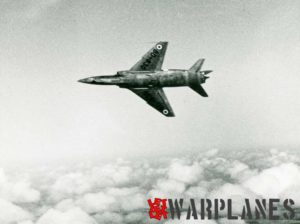
Number sixteen of the SAM monograph publications is on one of the most beautiful aircraft ever built: the Hawker Hunter. Just like the other volumes, this book is fully packed with photos (and a lot of them in colour!), colour profiles and technical drawings from the Hunter manual. In almost 130 pages, the following chapters [...]
To defend its neutrality during the second world war, Sweden faced the problem that they could not easily order fighters from other countries. In the U.S.A. they had ordered a number of modern Consolidated Vultee Model 48 fighters. However, the United States placed an export ban on these planes. As a result Sweden had to [...]
Just few days ago in Finland was released a book under name ‘Havitajalentolaivue 26′ and under this Suomi named book is held a great publication about the 26. fighter escadrille of the Finland Air Force. Author of the book is no else but the former pilot from this unit Carl-Erik Bruun. As lieutenant or luutantti, [...]
After early US Navy experience in the Pacific in the early months of WWII, and after consultation with Allied air forces in the European theater, Grumman began to develop a successor to their Wildcat fighter, to be called the Hellcat. Major design changes from the Wildcat included a low-mounted wing, wider landing gear which retracted [...]
When Germany capitulated in May 1945 and German troops left the Netherlands, there was not much left of the national aircraft industry. The Fokker works at Amsterdam-Noord were practically destroyed and any equipment still left was looted by the retreating German forces. Also the Fokker workshop at Schiphol-Airport was practically non-existing by that time. Much [...]
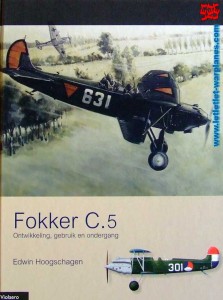
The Dutchman Anthony Fokker played an important role in equipping the German air force during the First World War. His early Eindecker (monoplane) E-types with the first successful synchronized, forward firing machine guns earned such a fearful reputation on the Western Front, that the reconnaissance and bomber aircraft the allied forces were using in the [...]