
Camouflage and markings of Yugoslav Kingdom warplanes
In the late 1937 Yugoslavia began to receive first modern warplanes Do17K and Blenheim Mk.I. That was the beginning of the complete modernization of the Yugoslav aviation. The Royal Yugoslavian inventory slowly began to out date as well the front line types were Ikarus BH 33, Fury, IK-2, Breguet XIX, and Potez XXV, via Fokker F-39, Junkers G.24 and Dornier DoY. With new planes arrived new armament and equipment, modern power plants but also combat tactics had rapidly changed and Yugoslav aviation was becoming more of an offensive arm.
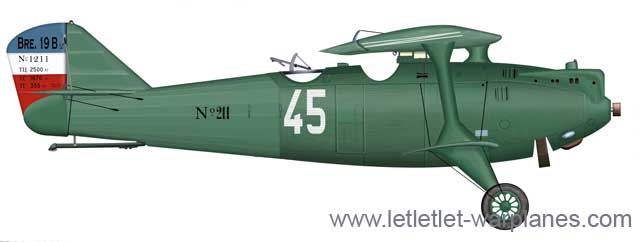
 Yugoslav officials showed also an interest to introduce new camouflage colors and schemes which could be more capable for modern combat activities then previously used patterns. In the moment when equipping started, Yugoslav warplanes featured three operational camouflage patterns: overall grey, overall green and overall silver. For this purpose, he Yugoslav producer of paints and coats “Moster” from Zagreb, at lest had produced two colors- “Zelena” and “Siva”. For Zelena is very well known that this was licensed for French color Kaki and it might be supposed that the other one Siva could be licensed made French “Gris pour hydravions”. Even then, Yugoslavia still imported painting material and aircraft producers had its material for painting finally assembled planes. For example, “Ikarus” produced a batch of BH 33 fighters and delivered in overall zelena scheme. Paints for this batch were hand mixed in the same factory. Kaki color was available, as we could note, from Yugoslav producers, chart mix and original imported from France.
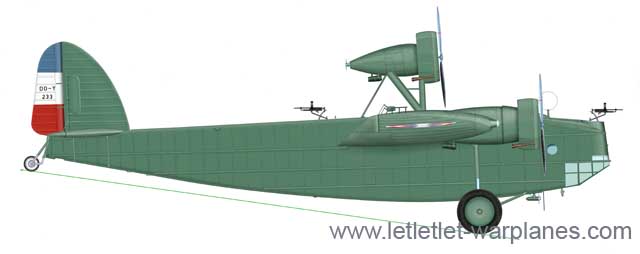
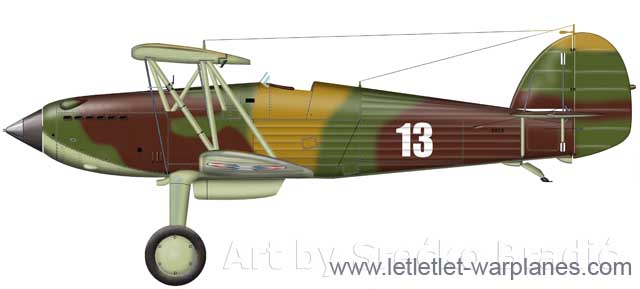
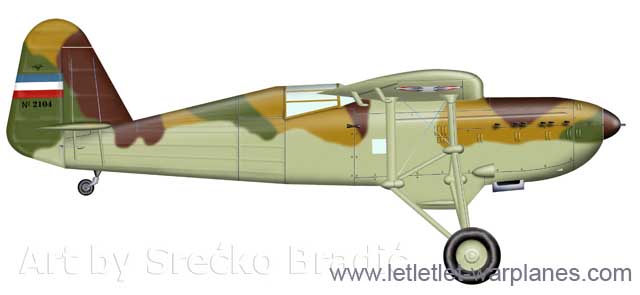
As a general replacement for all land plane was chosen a scheme with topside base green (or ochre) with ochre and brown patches, while lower side were grey, sky or silver. It is not known how exactly was chosen an option with these colors. Many years before, in the mid twenties, this kind of pattern was applied on domestic built Brandenburg trainers, but this pattern does not last for a long time, as well on the overhauls, all of them got overall green scheme. Reintroducing of this multi color pattern could be made under the influence of the foreign experts. In that time the Germans develop this kind of scheme and applied on the planes delivered to Spain and Finland. Similar pattern also appeared on the warplanes of the Netherlands and Czechoslovakia. Obviously, Germany and UK, gave the greater influence in the external appearance of warplanes of small European countries.
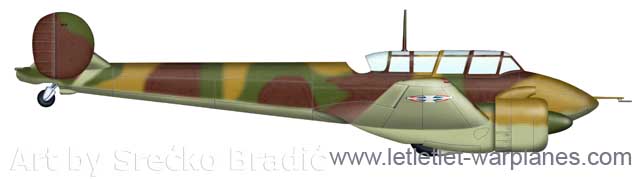
First model to be painted in this livery was Dornier Do17Ka-1, which first samples arrived in Yugoslavia in October 1937. Camouflage pattern were developed by Germans and originally present a modified pattern for German Do17E/F known as “Farbenanordnung A”. In Yugoslav version this pattern lost its geometrical shape and got new colors.
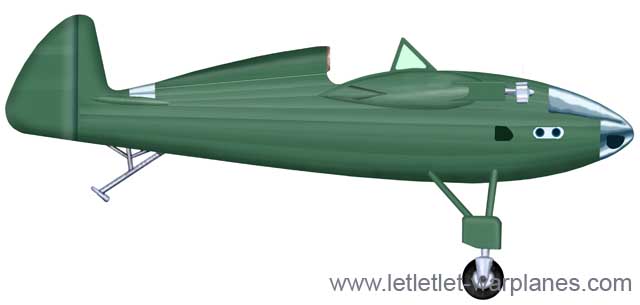
Development and application of new pattern got priority and among the first one to be done was one Breguet XIX Cyclone in 1938. Various tests were made in this sphere. In the first trials was also used one Fury which was painted in new camouflage and test in regard to surrounding landscape. Headquarter of Yugoslav aviation also order building a number of wooden models of planes ( some sources state over 40) which were used to rest new camouflage. Finally, new pattern were established and as I had above mentioned, firs Yugoslav built products to be painted in that manner was Breguet XIX. This is most problematical period for research as well there could not be exactly traced sources of camouflage paints as well in 1938 Yugoslavia still did not have a large stock of paints for licensed production. Solution could be found in the fact that in that time Yugoslavia looking for that kind of material in France and there as a possibility that some small amount of paints was imported. The fact is that over paints were made in first half of 1938 and the French ministry introduced in the spring 1938 an official chart of camouflage colors. As well French producers had in that time produce various shade of the same color there could be a real problem to got details of exact color applied on early Yugoslav tests. Yugoslav had an interest to introduce French material for finishing but there is a possibilities that some quantity of paint were delivered from Germany for maintenance of Do17K and that these paints were used. Anyway, new camouflage pattern was selected and official pattern for combat land planes became multi color, with topside patches in green, ochre and brown. Only exception of this rule present IK-3 fighter which was ordered in overall grey scheme but later was over painted in multi color pattern.
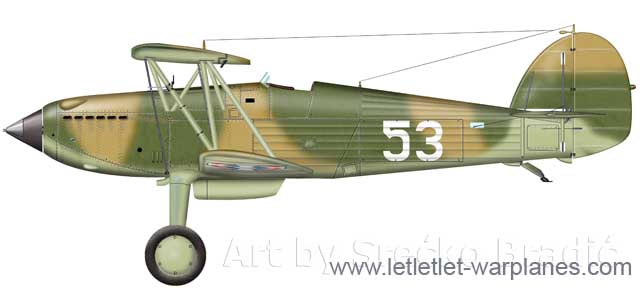
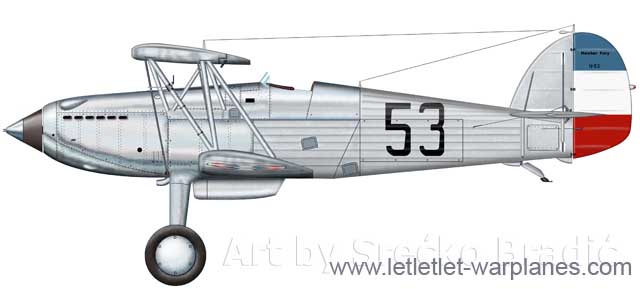
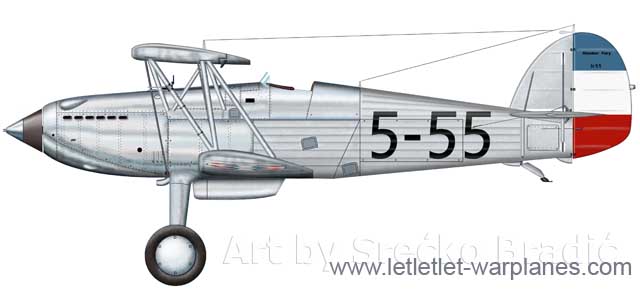
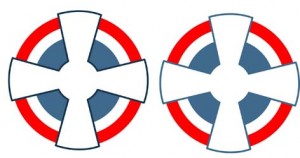
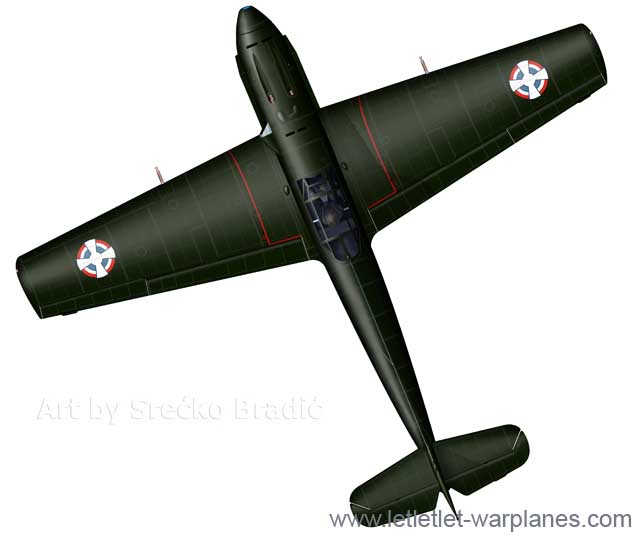
Markings stay the same as before. National insignia present white “Kosovski krst” (Kosovo’s cross) positioned on three color roundel. Edges of the cross were medium blue or black blue. Planes wore that insignia on wings in four positions, two on the topside and two on the underside of the wings. On the vertical rudder was painted wide three color national flag. Colors were, from the top, blue- white- red. On fuselage could be applied big two digit regimental numbers in black or white color. Very soon it was noted that this kind of markings have negative effect on camouflage and from the summer 1940 new order proposed size and position of the markings. This is very important moment, as well the Royal Yugoslavia was the first one to use reduced visibility camouflage and markings. New regulations proposed one bigger insignia to be carried on the underside of starboard wing and one small on the topside of the port wing. Tricolor flag and rudder now became narrower. Instead of two digits number on the fuselage there used small four digit number. But in the many cases, two digit numbers still appeared on some planes.
Official directives gives general way for finishing of the aircraft but does not strictly recommend producer of color or make a central stock of paints, so aircraft producers, everyone for it self, provide painting material from abroad. As a result soon were appeared two charts of camouflage colors and that was founded as a problem.
In effort to replace foreigner paints, headquarter ordered a competition for Yugoslav producers of paint. Some sources state that trials were made in couple month before the war in 1941. Competition was held in the painting & finishing facilities of “DFA”. This factory was logical choose, as well, it had the best test lab for paints and very experienced personnel. Product of three domestic producer ( “Moster”, “Turum Beske” and “Nedeljkovic I sinovi”) were tested and results was disastrous for all of them. Test samples could not properly dry, they was fragile, not quality pliable to surface etc. German technician, representative of the German paint producer “IG- Farbe Industrie, who had watched complete trials, understand the meaning of the results. He react fast and offer “IG” colors, which was already in use on “DFA” produced and overhauled planes and excellent perform in service. Offer was for Yugoslav producers with instance that “DFA” will get free stock of paints enough for one year production. “DFA” in this moment had finished a series of 36 Do17Kb and prepare to start the production of new 40 bombers, for who had material already arrived from Germany. Offer for free stock was accepted but this delivery was never released because of the very close collapse of the Royal Yugoslavia in April war 1941.

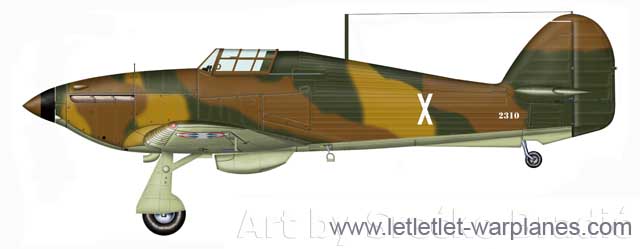
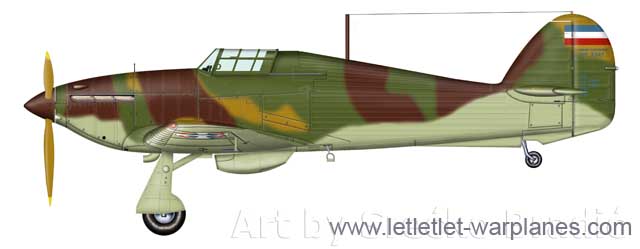
The operational aviation of Royal Yugoslavia was the most colorful arm of whole Yugoslav aviation and there will be analyzed their planes. That aviation had divided its units into bombers, fighters and reconnaissance. Inside of their units were also added a number of other types, whose purpose were liaison, training etc. and they differ in many cases in camouflage pattern of the front line planes. In the following text they will be analyzed, type by type.
Dornier Do17K in its several versions was almost all of them served in 3. bomber regiment while one was in training squadron and two were in combat weapon school in Mostar. First were arrived in 1937. and became operational in 1939. Do17K were produced by Dornier and DFA and top surface of both had three color patterns of German export colors. Germans and first two blocks from DFA were silver on the underside while the last block from DFA featured grey underside. In total four camouflage pattern were used. Peacetime insignia were applied on all German purchase but DFA released only first block in this livery. On the fuselage were applied triangles and circles in red or light blue color, regarding to the units but that practice was not referred to the domestic built Do17K. Also to note that one sample was finished in silver color.
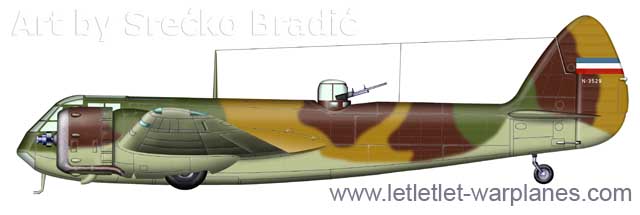
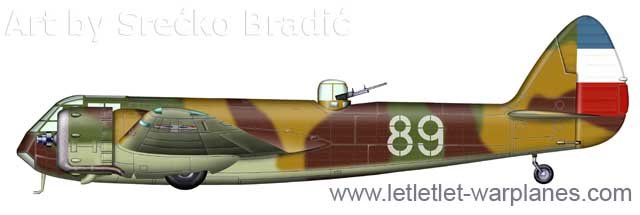
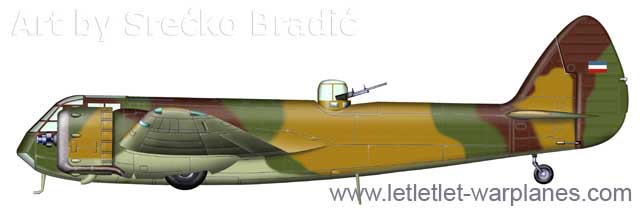
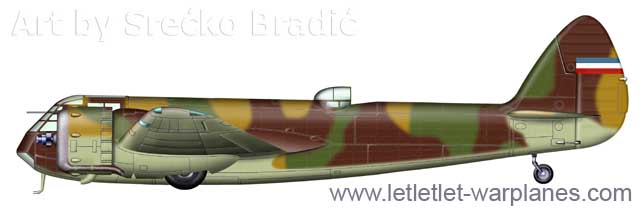
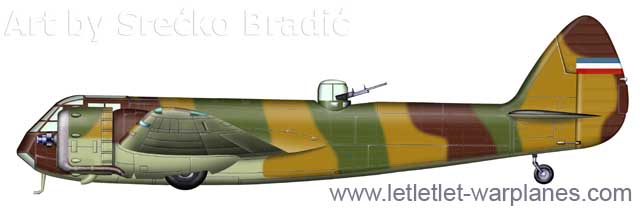
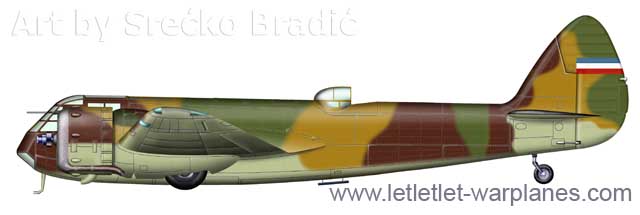
Bristol Blenheim Mk.I becomes operational in 1939. and this type equipped 1. and 8. bomber group and 11. recce group. Blenheim featured couple of pattern but two of them was most numbered, RAF continental and Yugoslav multi color. But some of them had a four color on the topside which possibly present modified original Dark Earth/ Dark Green pattern with two new colors added. Underside on the British delivery was Sky or anti- gunnery and Yugoslav built were left with Sky underside. Paints used in Yugoslav production were imported from UK. In one period Blenheim wore semi opaque white two digit numbers on the fuselage side.
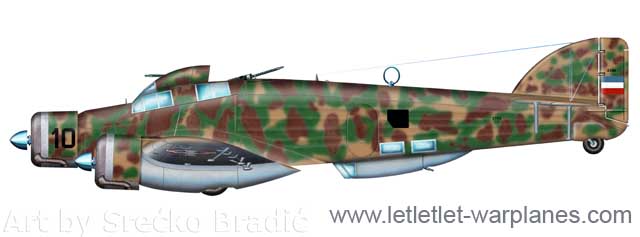
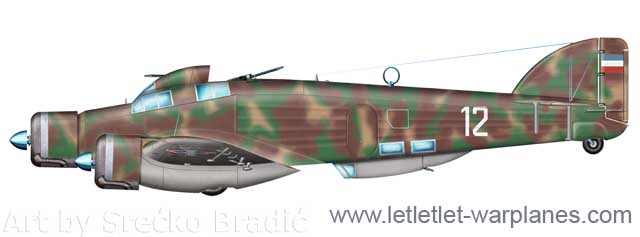
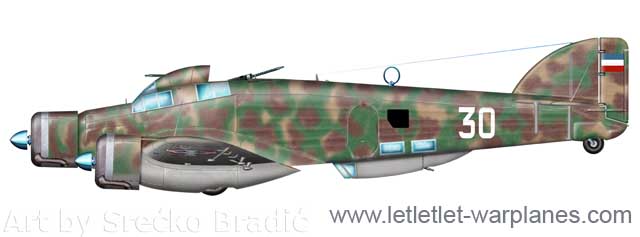
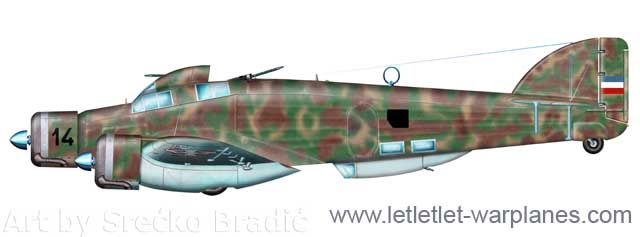
From Italy were imported 45 Savoia Marcheti S.M. 79 bomber and they were deployed in 81. bomber group and 7. bomber regiment. All of them were finished in Italian mottle pattern which consisted of ochre base coat with dense mottle in maroon and green. Underside was in medium grey color. In later service some planes from 7. regiment begun to wear on the topside camouflage consisted of patches of ochre, green and brown colors. No precise details is available of this, only known details is hat colors were nitro based smooth and that the over paintings were done on the airfield.
Oldest type in service was fighter Hawker Fury which was operational since 1936. This type was testbed for various camouflage pattern trials and possibly the firs fighter in last period to be camouflage in new multi color pattern. There were two operational patterns- with three colors on topside (Zmaj overhauls) and two colors on topside ( Ikarus overhauls). Fury was operational within two fighter group in 5. fighter regiment. Groups wore two digits number on the fuselage side, one group had white while the other one had black colored numbers.
Main competitive type to the Fury was domestic fighter Ikarus IK-2. Produced in small number, IK-2 was operated by 4. fighter regiment. Originally delivered in natural metal/ silver, IK-2 was later over painted in camouflage from UK origin.




Rogozarski IK-3 became operational in 1939. It was the only type to wear proposed fighter overall grey scheme. Problem is that this color was hand mixed ( and hand brush painted) so paint were differ from plane to plane. When the Rogozarski received material from UK for licensed production of Hurricane fighters, IK-3 was over painted on top surface in new arrived colors. Insignia were changed from peacetime to wartime reduced visibility pattern. Sole operator of IK-3 was 6. fighter regiment.
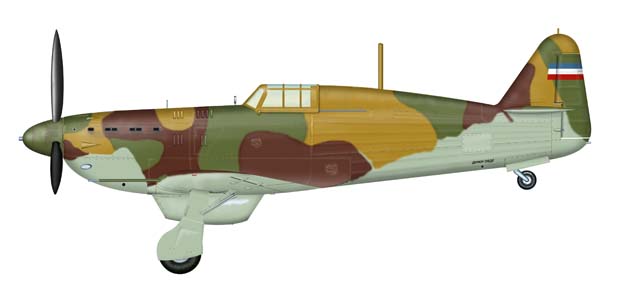
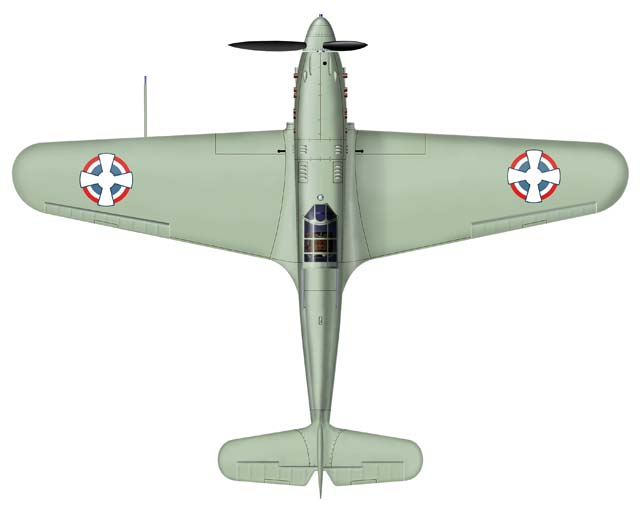
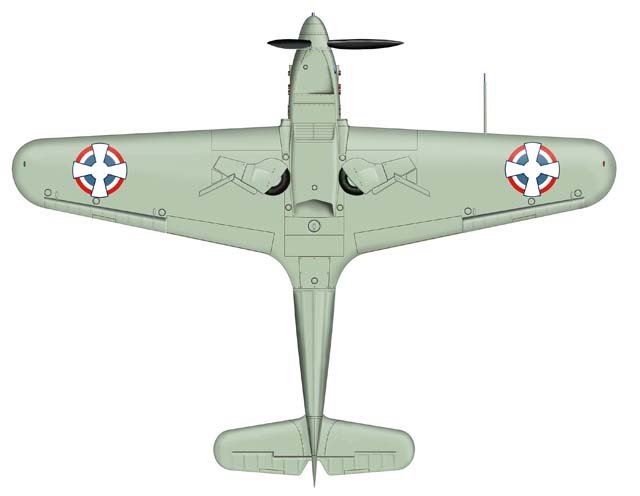
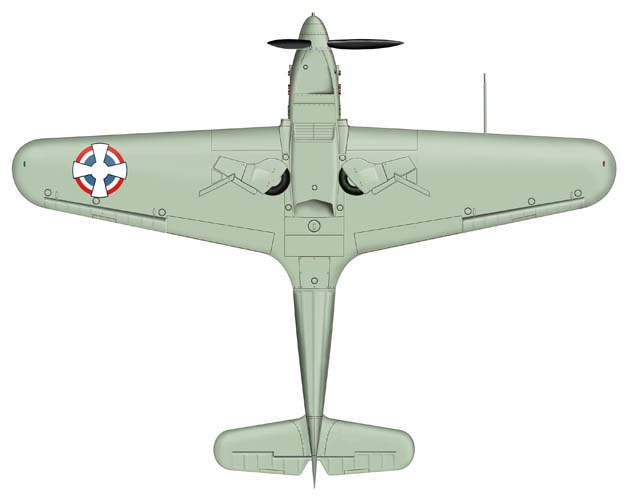
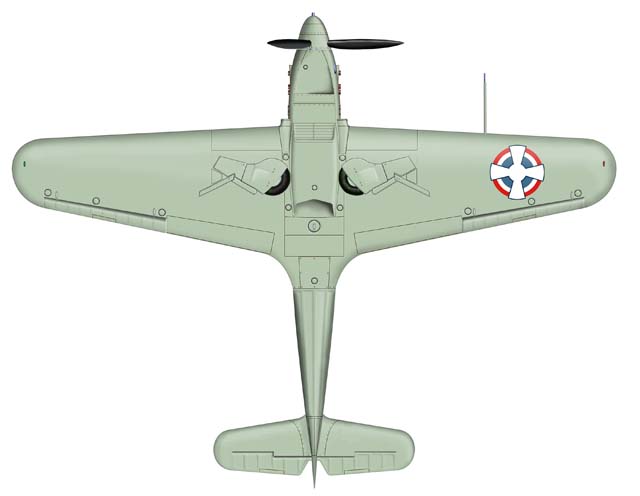
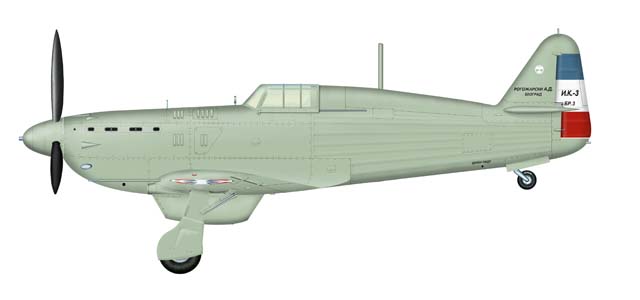
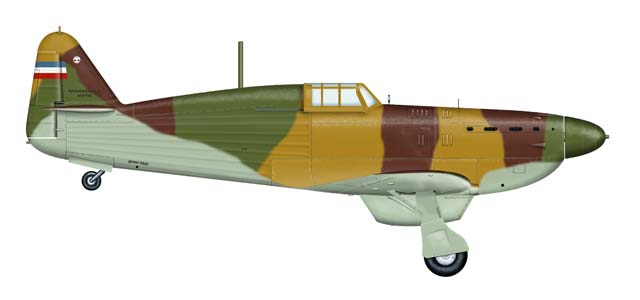
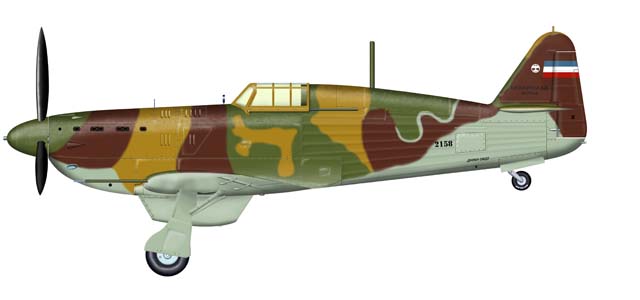
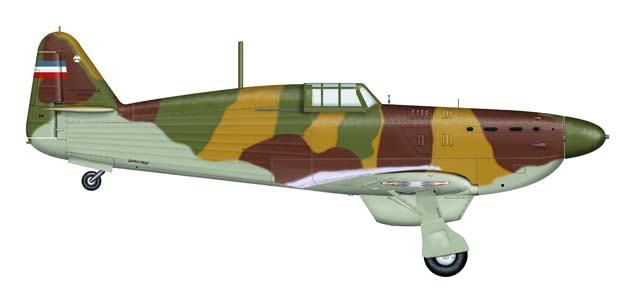
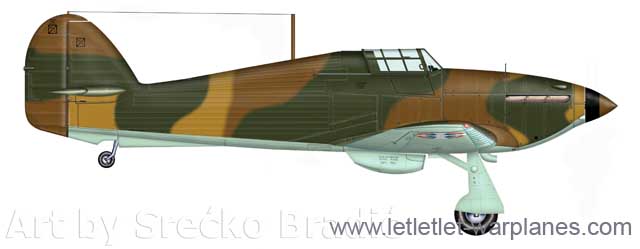
Famous Hurricane Mk.I became operational in Yugoslav service in 1939. Two batches were imported from the UK and one batch was delivered by Zmaj. Samples from UK production had modified RAF continental pattern of Dark Earth/Dark Green/Light Earth topside with Aluminum or Sky underside. Insignia was of pre war but without vertical rudder flag. Zmaj built samples had a new multi color camouflage pattern with extra reduced insignia. One roundel was carried under the wing and narrows three color flag on rudder.
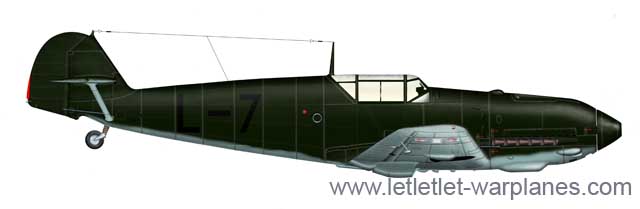
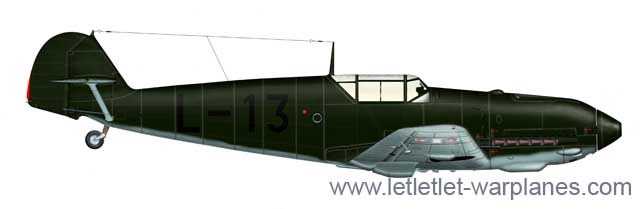
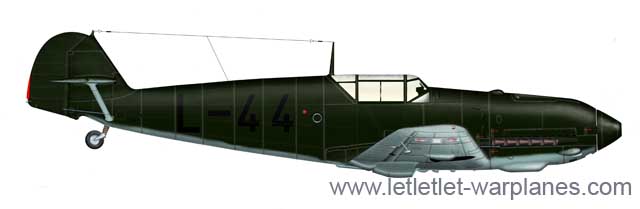
From 1939 Messerschmitt Me109E-3 become operational in Yugoslav units and the operators was 2. and 6. fighter regiment ( some samples was also deployed to the independence fighter school and temporary to the test centre). This fighter had a very simple camouflage pattern consisted of topside dark green and underside medium grey blue color. Camouflage pattern is of Luftwaffe origin and it was in limited use in Germany. Just few of them got new camouflage and it look like the two new colors was add to the original pattern. Initially insignia was applied in four positions but later was over painted. Ruder wear two types of flag, wide and narrow but a number of samples flew without any of national markings on rudder.
Inside of first line units, had in their equipment modern combat planes but for second line duties there were flew some other types. Most numbered was Breguet XIX but also was in number presented Bu131 Jungman, Fiesler Storch, Bf108 Taifun etc. In many cases their camouflage scheme was different from the scheme of combat planes. Breguet XIX had its well known overall green livery. That color was Kaki and producer of plane VTZ (later renamed in DFA) had used that French color for painting. Bucker Jungman had its original overall grey color and that was Perleweiss. In first time that color was in wide use in Germany but in the middle of thirties it disappeared from front line units and only remained in use on some second line planes. This color also was known by its stock name “Fliegerlack”. One of producer of light planes, “Utva”, orders a stock of that paint for the production.
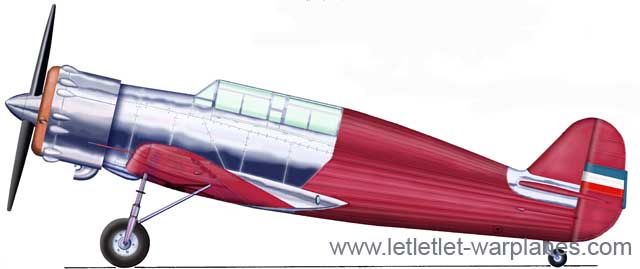

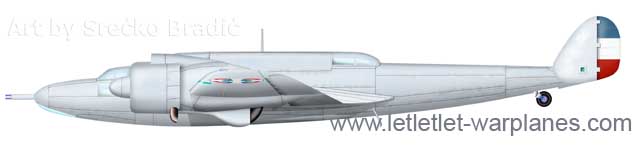
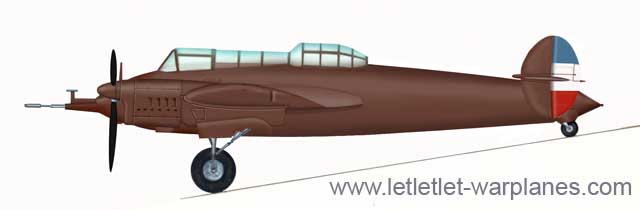
Fi156 was originally proposed for tactical reconnaissance role. The plane was delivered without defensive armament and the plane saw its carrier as a liaison and light transport plane. Storch were original German pattern with topside dark grin and underside in medium blue grey. It does not seem possible that any of these planes had been over painted in multi color scheme. Fi156 were marked on wings in four positions with wide flag on the rudder. There is a possibility that day hold peacetime markings until the end of hostilities in April 1941.
Messerschmitt Bf108 Taifun, except on liaison duties, was used as a fighter trainer and a number of them were in service within fighter units. It had three different camouflage patterns. One was standard German paramilitary scheme in overall RLM02 Grau. Second scheme was familiar with scheme on Yugoslav Me109E, were the top surface was in dark green while the lower side was in medium blue gray. Last scheme was multi color bath there could be a speculation which color where used. My personal opinion, regarding to the tone and contrast of the appearance of colors on the black and white photos, that some Taifun’s were over painted in German export colors used in DFA.
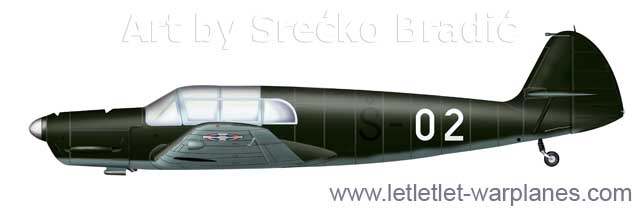
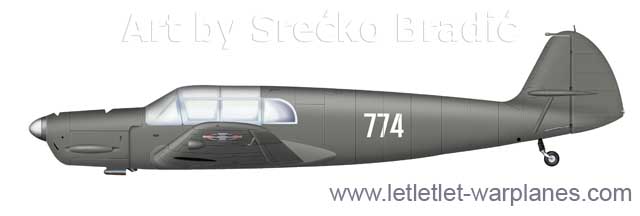
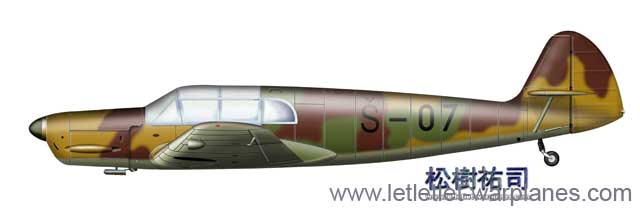
Army aviation was established in 1940. and was obsolete with its equipment. Most of the planes there were Breguet XIX with a small number of Potez XXV. In general that was “green” aviation as well most of the planes had an overall kaki green scheme. Only exception presents some of Breguet XIX with Cyclone engine which had a multi color scheme. First samples in this pattern were done in 1938., possible in Ikarus, and in the summer of 1940. approximately fifteen Breguet XIX were overhauled in DFA and got new colors.
No matter that the main camouflage colors was imported from Germany and the UK, they have differ from the standards used in their military application. A set of four colors were from the British origins and most of them derived from standard RAF colors. The main change is that the paints were produced in “S” form which gives to the coats glossy appearance. Three colors were from RAF standards. Light green were used in the camouflage of the RAF biplanes, in finishing of lower wings and sometimes on the fuselages. Mid stone is the standard desert camouflage color, which saw widely use in the warplanes deployed to the Africa theatre. Red brown is appeared in their industrial charts but there is no evidence that it was used in operational services. Main difference is that the RAF used paints with flat appearance. Additions of ingredients for glossy appearance change the tone and intensity of the original flat colors and no matter that they are actually the same color they appeared differently due to those changes. Lower sides remained in Sky and this is the only color to be identical to those used by RAF. RAF regulation gave possibilities that each camouflage colors could be delivered in “S” (smooth) form but that was only applied on the Sky color. That mean that the camouflage colors delivered to the Royal Yugoslavia was made under the official RAF regulations but thus was not generally in widely use by RAF. Only exception in this way was Red brown color.
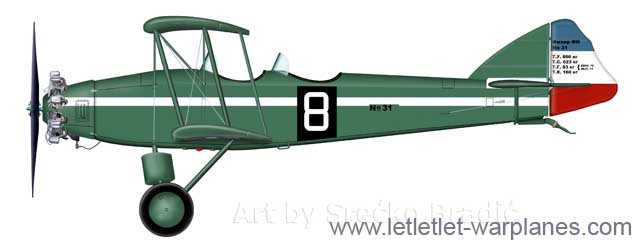
But situation is completely different with German delivered camouflage colors. They were delivered five colors and only one had some limited use by Luftwaffe. That was Silber color and it could be find in the early period on some second line planes. Other colors were Zuggrun, Pompeianisch Braun, Gelb and Hellgrau. Zuggrun was intensively medium dark green color with stronger green intensity. It was slightly changed raw green pigment by adding of brown and black. Braun was almost pure burnt sienna color, well known by the artists. Gelb was also raw yellow ochre color with no chance applied. Grau were light grey color with brown- green shade. It could be for sure state that this color belong to the family of grays where was RLM02, RLM63 colors. Above mentioned colors was probably, taken from the charts of colors for German railroad as well the similarities is big in their external appearance. Colors were semi gloss nitro based.
No matter that still any of documents is not revealed regarding to the insignia colors, there for sure could be stated that they were of French origin. No document state that even that colors war license manufactured in Yugoslavia and comparing the data supplied from preserved chips with data from publications direct that Yugoslav insignia colors was of French origins. The blue color was of medium tone with grey hue. It was mixed from cobalt blue, white and black color. Red color was pure crimson. Outline of the crosses could be in medium blue color or very dark blue color. That was hand mix of black and insignia blue color. All above mentioned colors were gloss enamel based.
Srecko Bradic
Color profiles- Srecko Bradic
Hi there My name is Megan, and I have been searching the web in regards to Color Chart for what seems like ages now. Its really nice to know that someone out there is really writing great articles about Color Chart. I\’ll be back to read other articles you have. Signed this day (Wednesday).
Tbank you so much for publishing this information. I am drawing plans for peanut scale (33 cm wing span) rubber powered IK-3 and IK-3 aircraft, and I was at a loss for a color scheme for both aircraft.
John Berryman
Can you help me to complete information on the website? I have read that the cross insignia was introduced in 1929 (when Kingdom of Serbs. Croats and Slovenes became Yugoslavia?) If true what was used before then. I have information on 1919 Slovenes. Is there any publication that describes the complicated insignia situation since 1992? I am also seeking information regarding motor vehicle number plates in use in Serbia and Montenegro up to 1918, if any and Croatia etc. 1941-1944, do you have any contacts or places I can try? Any help much appreciated.
John
Thank you all for comments. In the period after the WW1 there was variations of the national insignia on the airplanes and they are basically roundels or flag types. Kosovo cross was introduced some later and first domestic build type Brandenburg has this insignia. All new arrived machines in that time has new insignia and that was all before 1929. To regret there is not much publications and mostly this is local publications.
Cheers 🙂