Fairchild C-119 Flying Boxcar
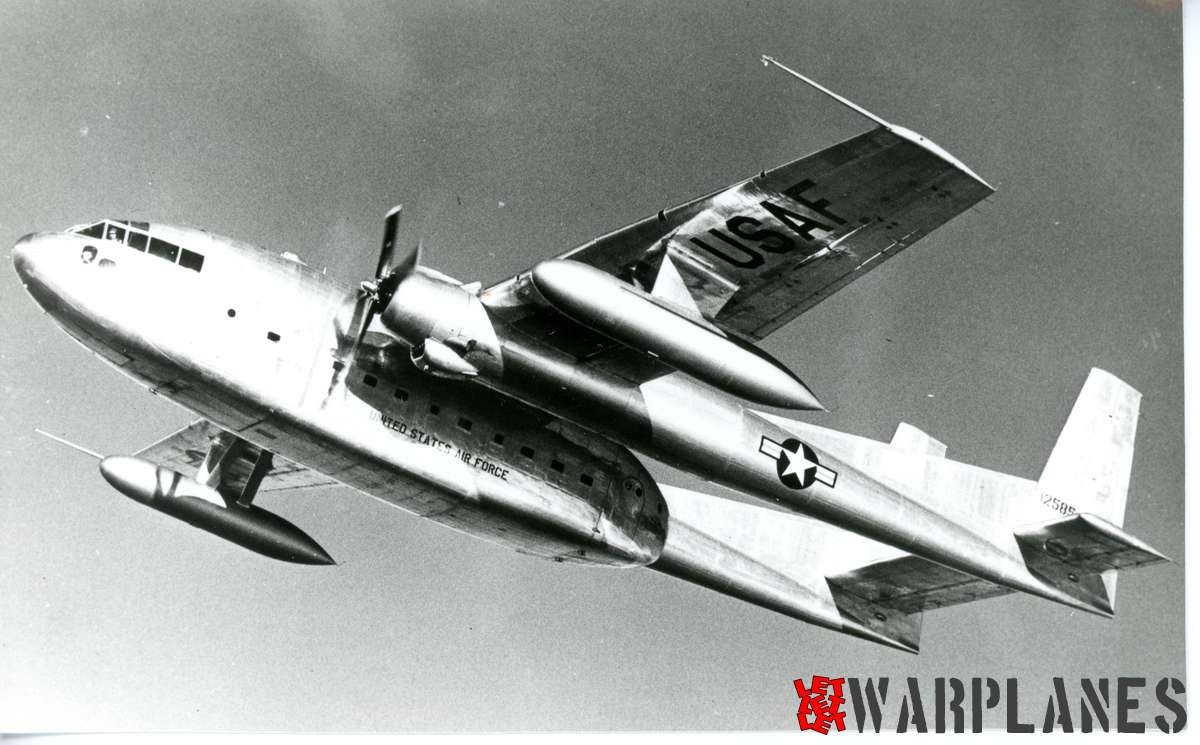
The Fairchild C-119 Flying Boxcar is an American military transport aircraft developed from the World War II-era Fairchild C-82, designed to carry cargo, personnel, litter patients, and mechanized equipment, and to drop cargo and troops by parachute. First C-119 made its maiden flight in November 1947, and by the time production ceased in 1955, more than 1,100 C-119s had been built. Its cargo-hauling ability and unusual twin-boom design earned it the nickname “Flying Boxcar”. The USAF used the airplane extensively during the Korean War, and many more were supplied to the U.S. Navy and Marine Corps and to the air forces of Canada, Belgium, Italy and India. In South Vietnam, the airplane once again entered combat, this time in a ground support role as AC-119 “gunships” mounting side-firing weapons capable of firing up to 6,000 rounds per minute per gun.

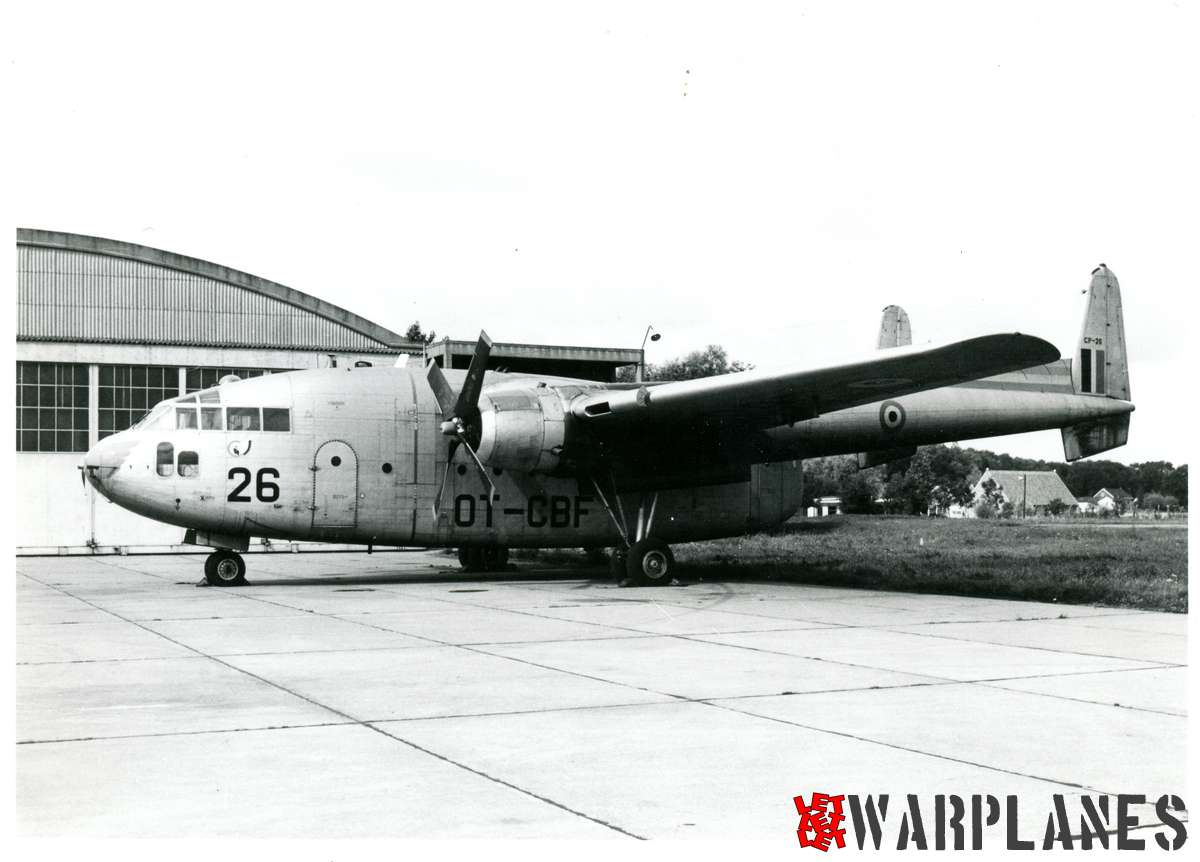
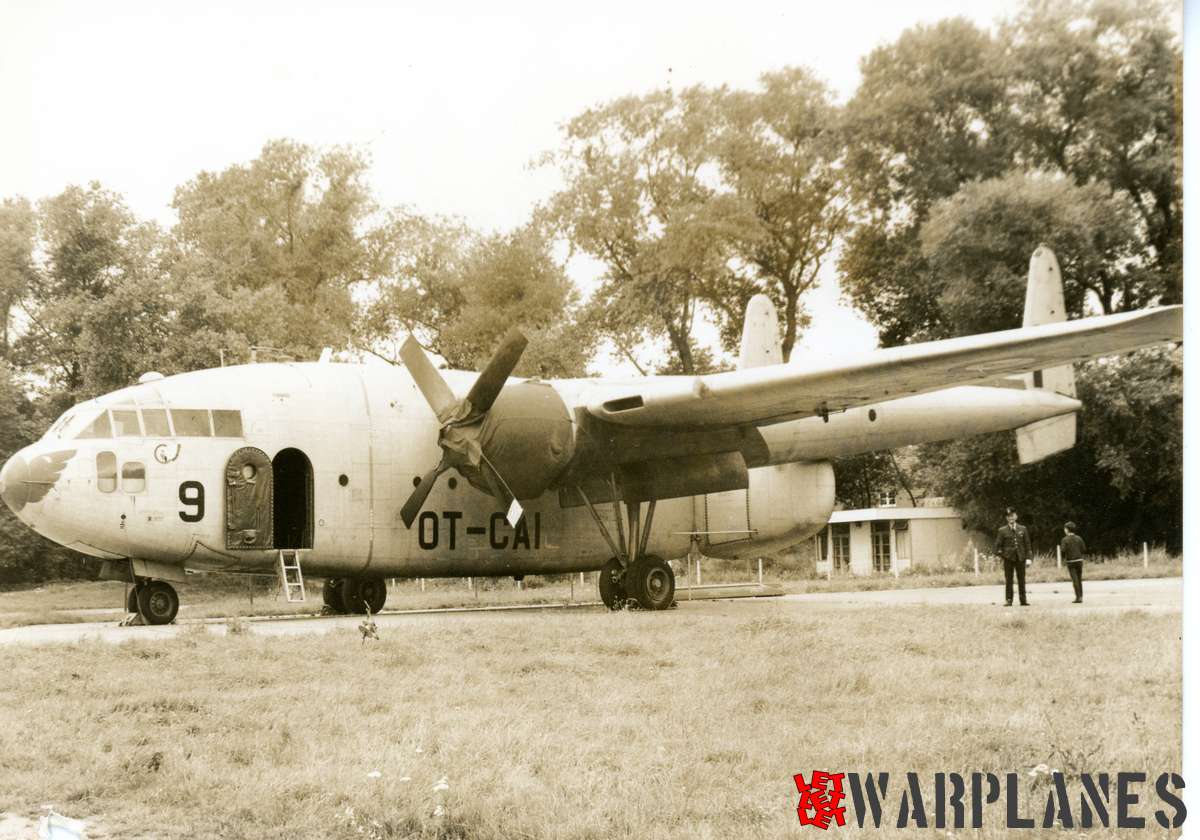


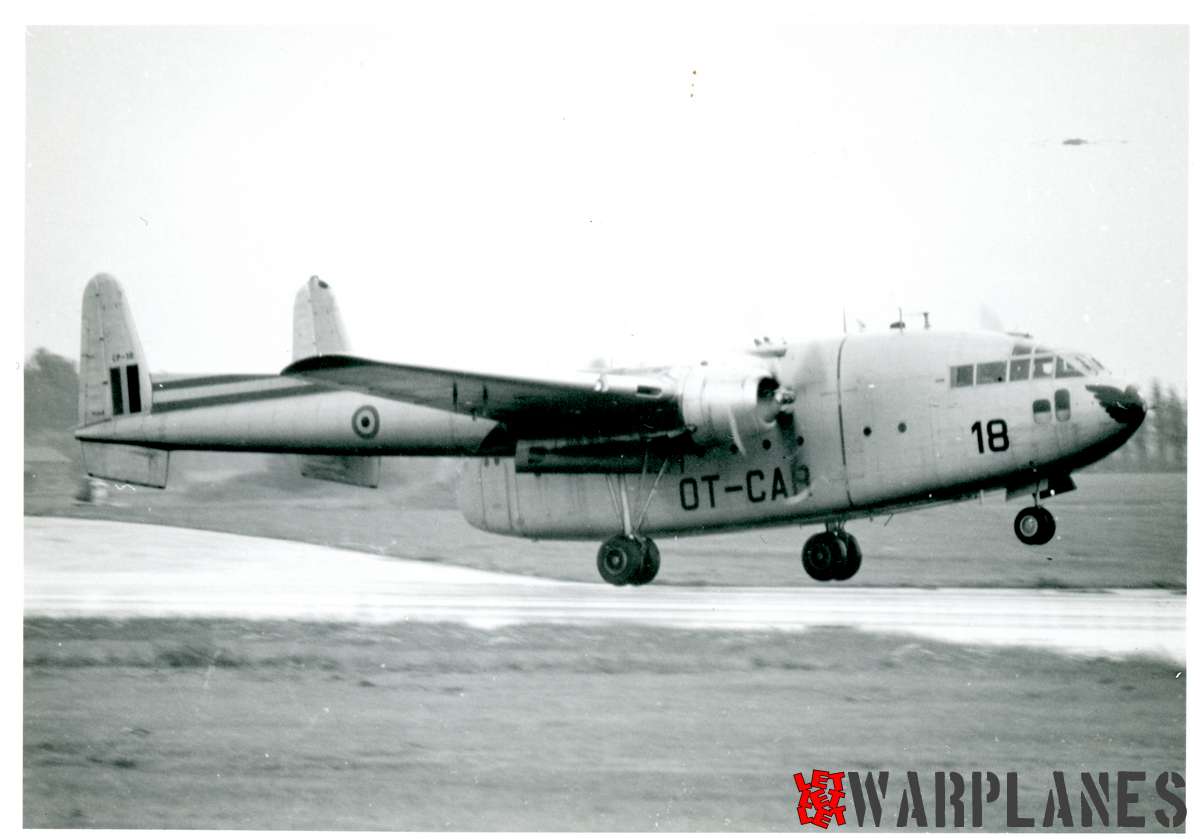
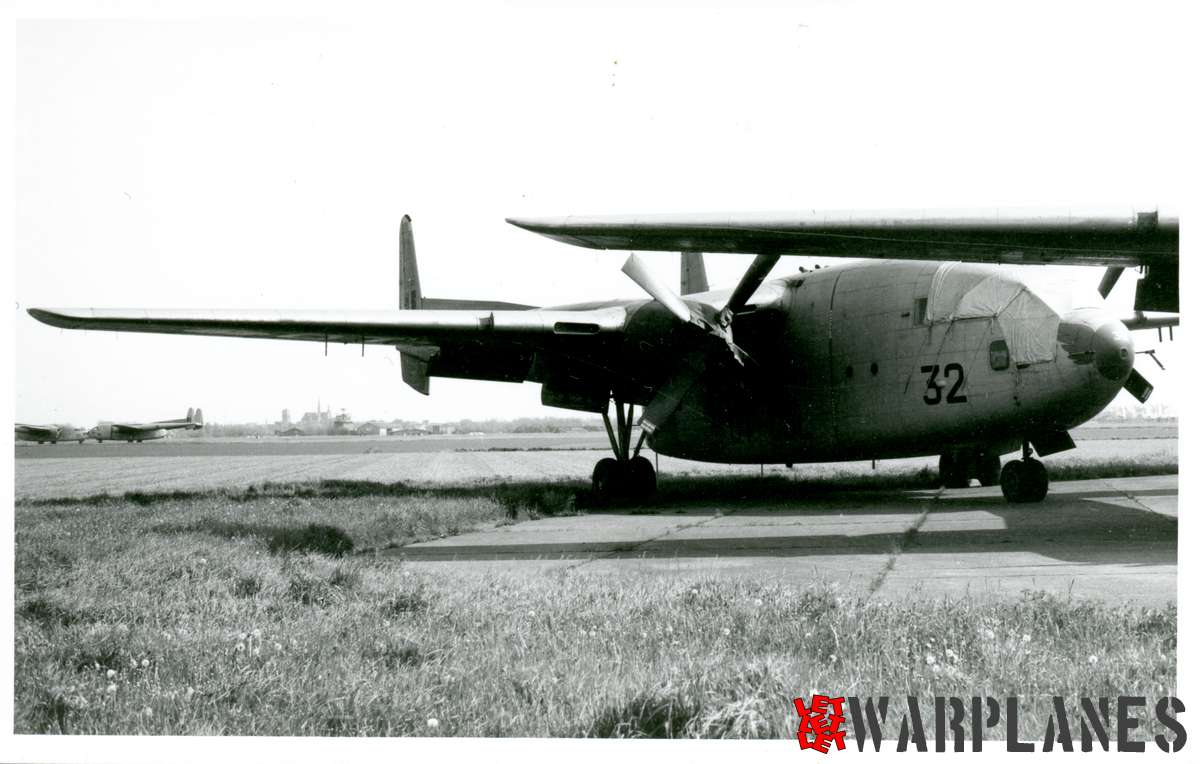
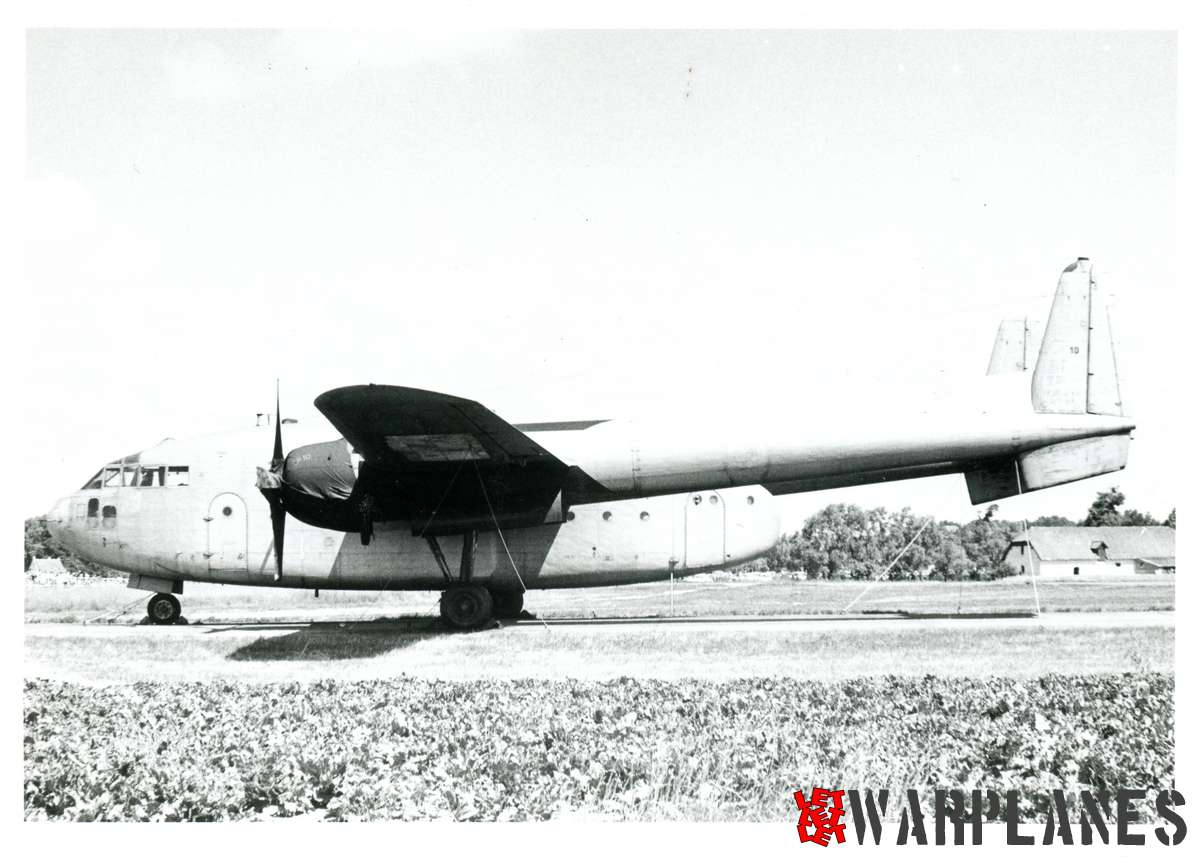
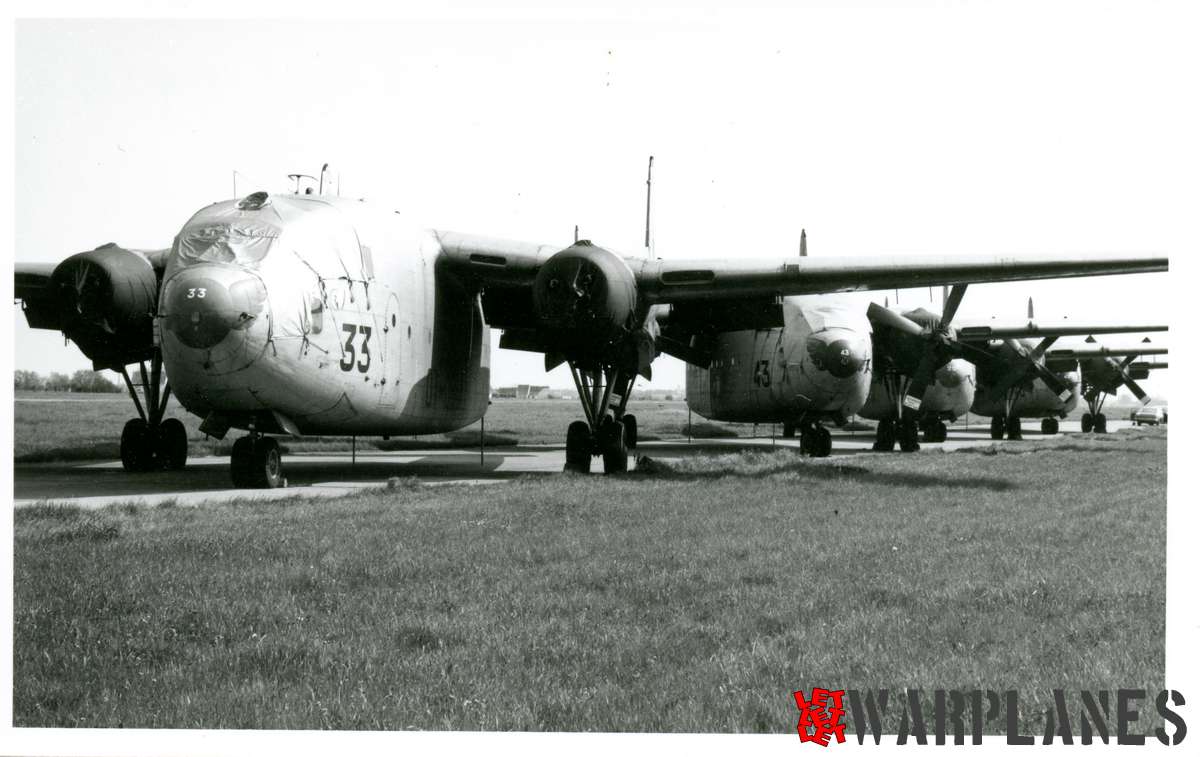
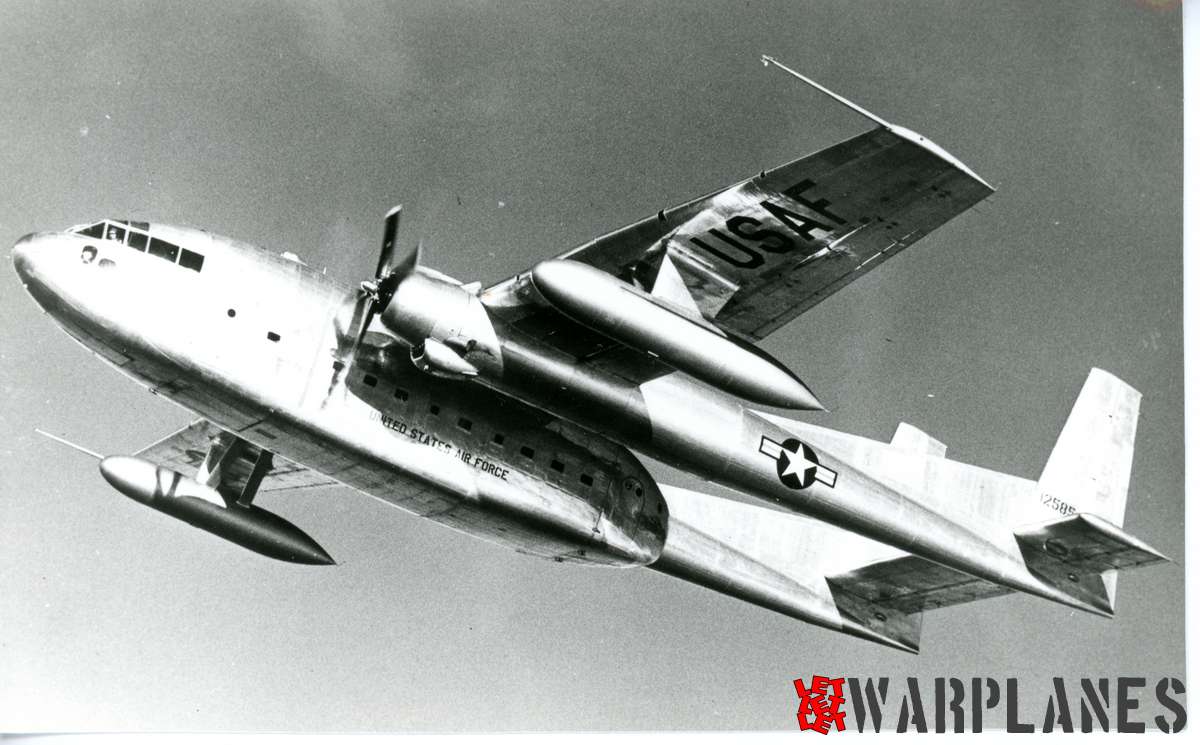
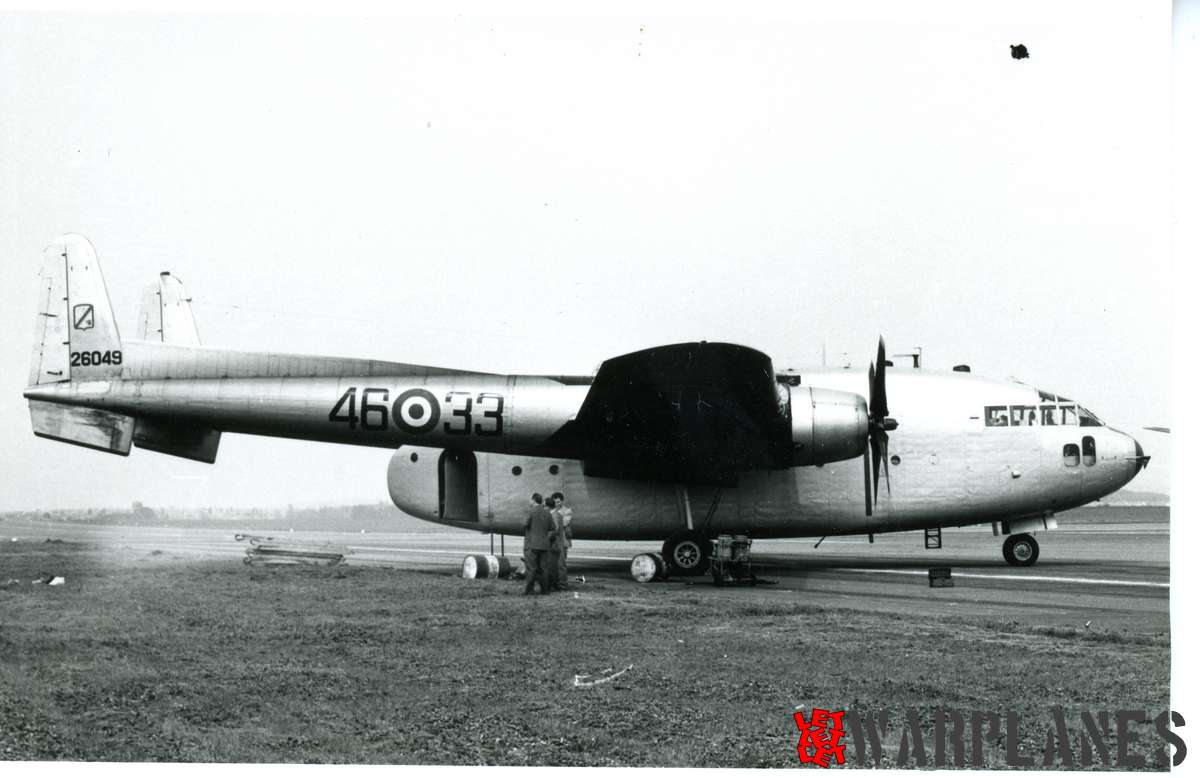
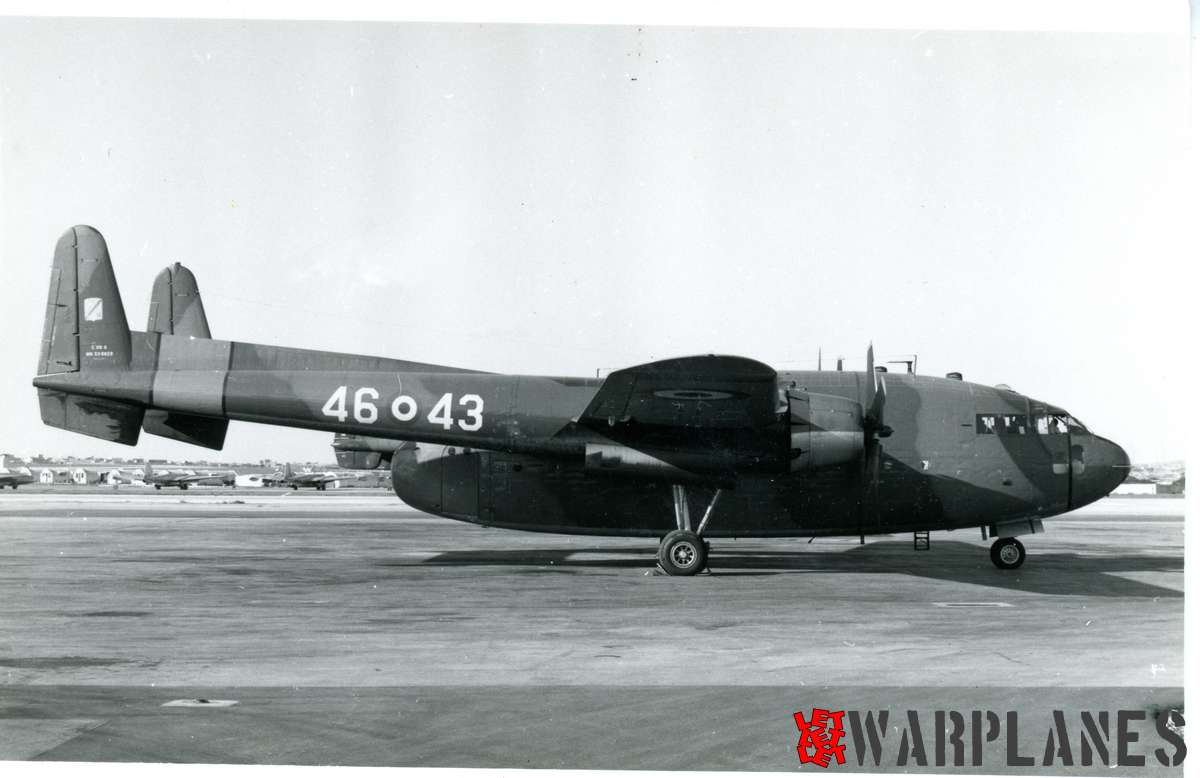


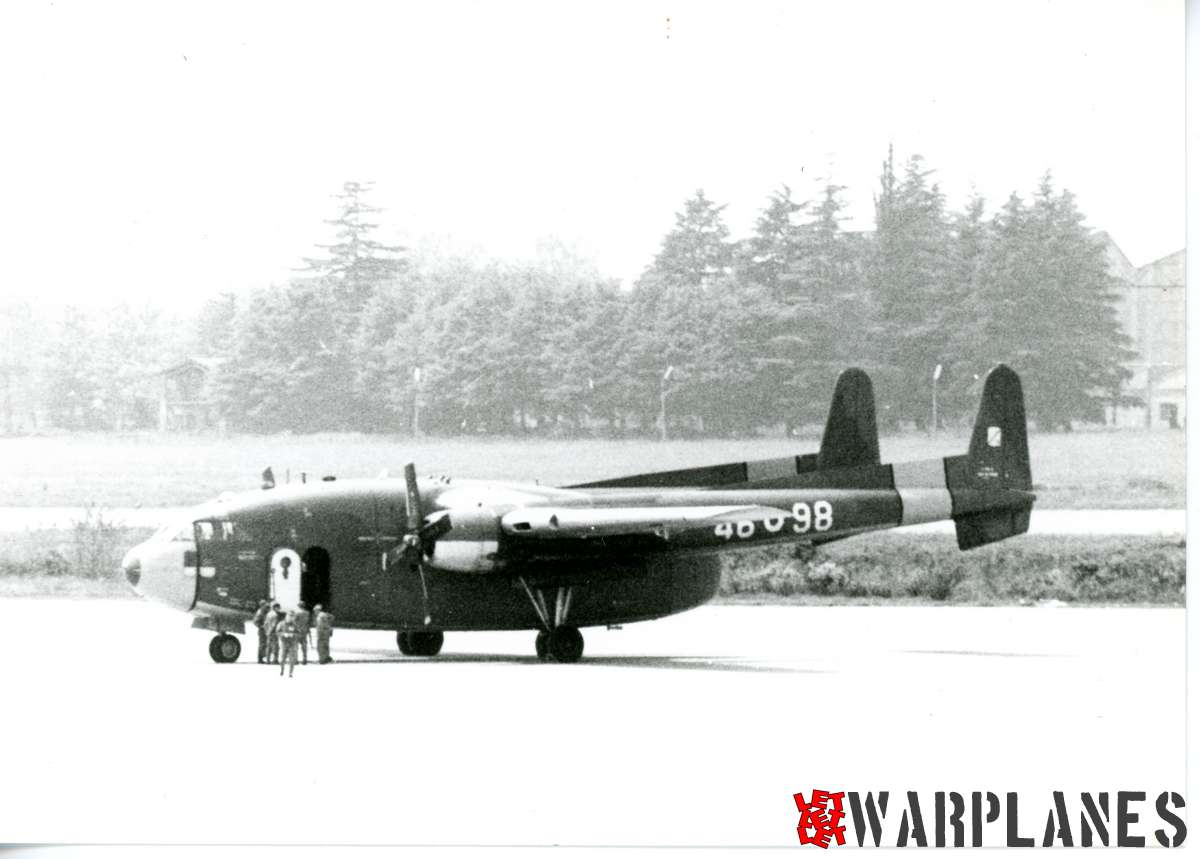
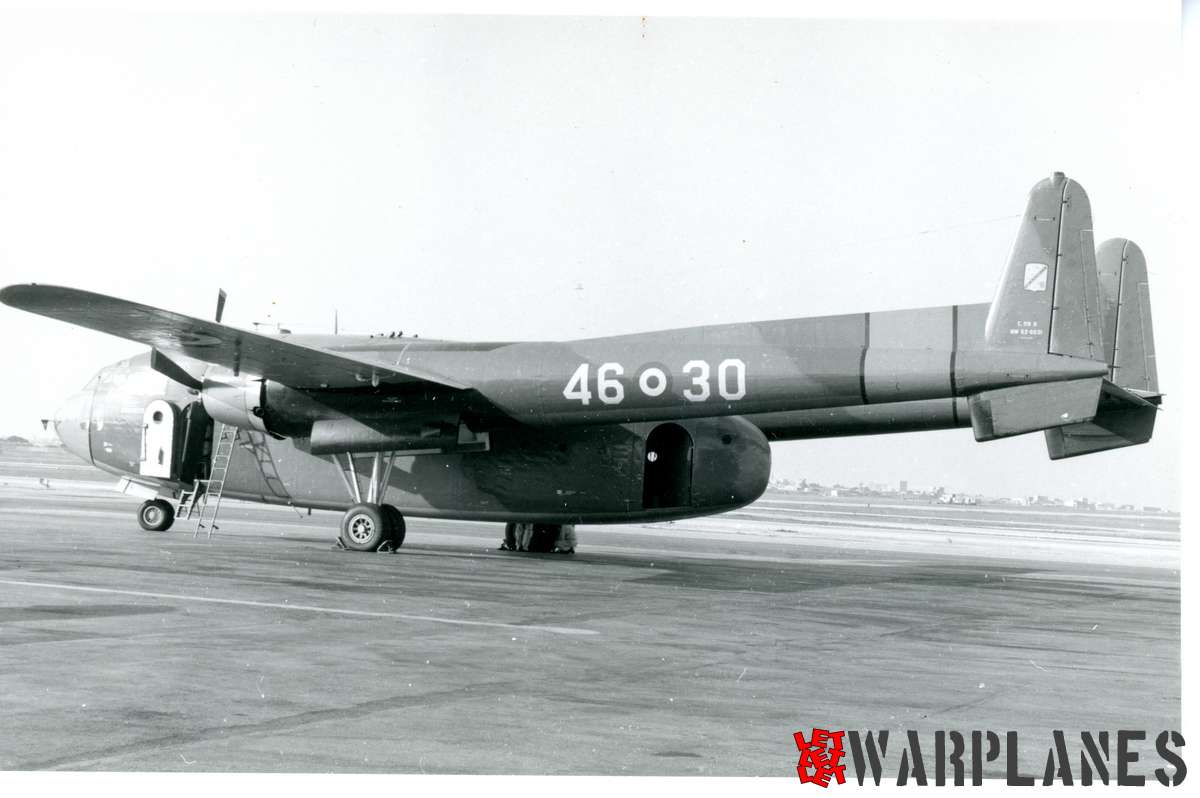


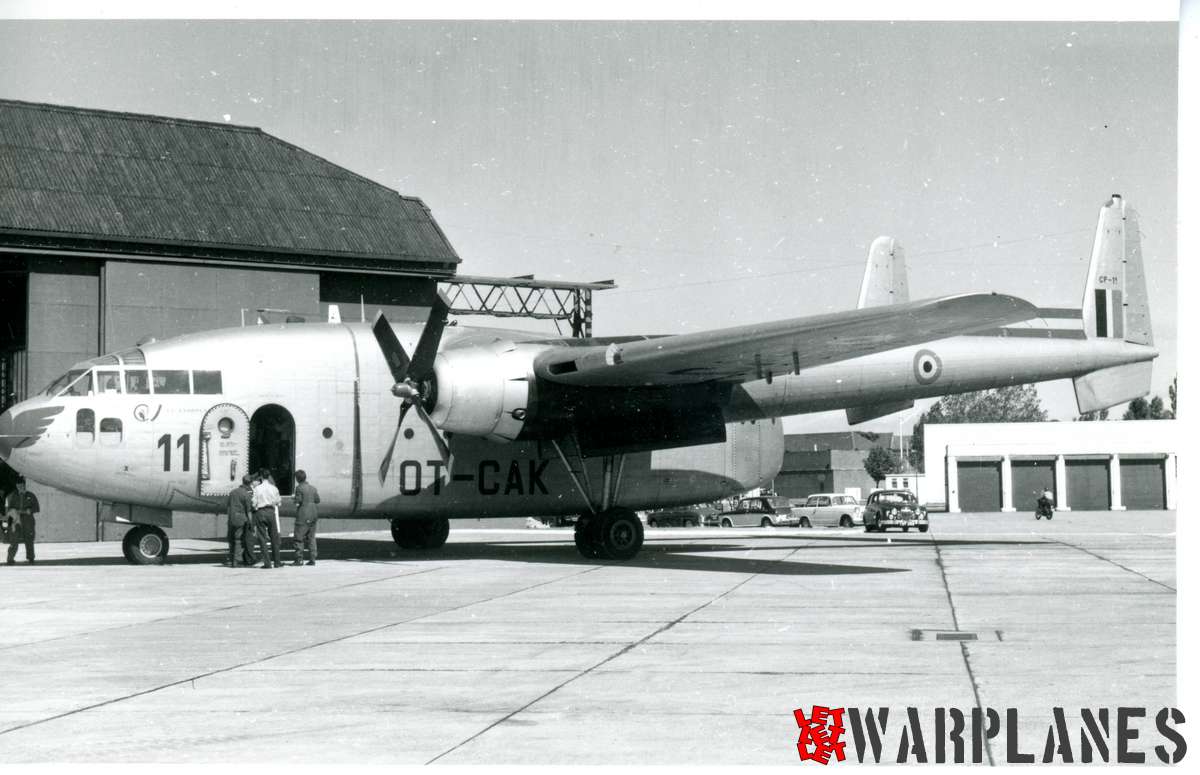
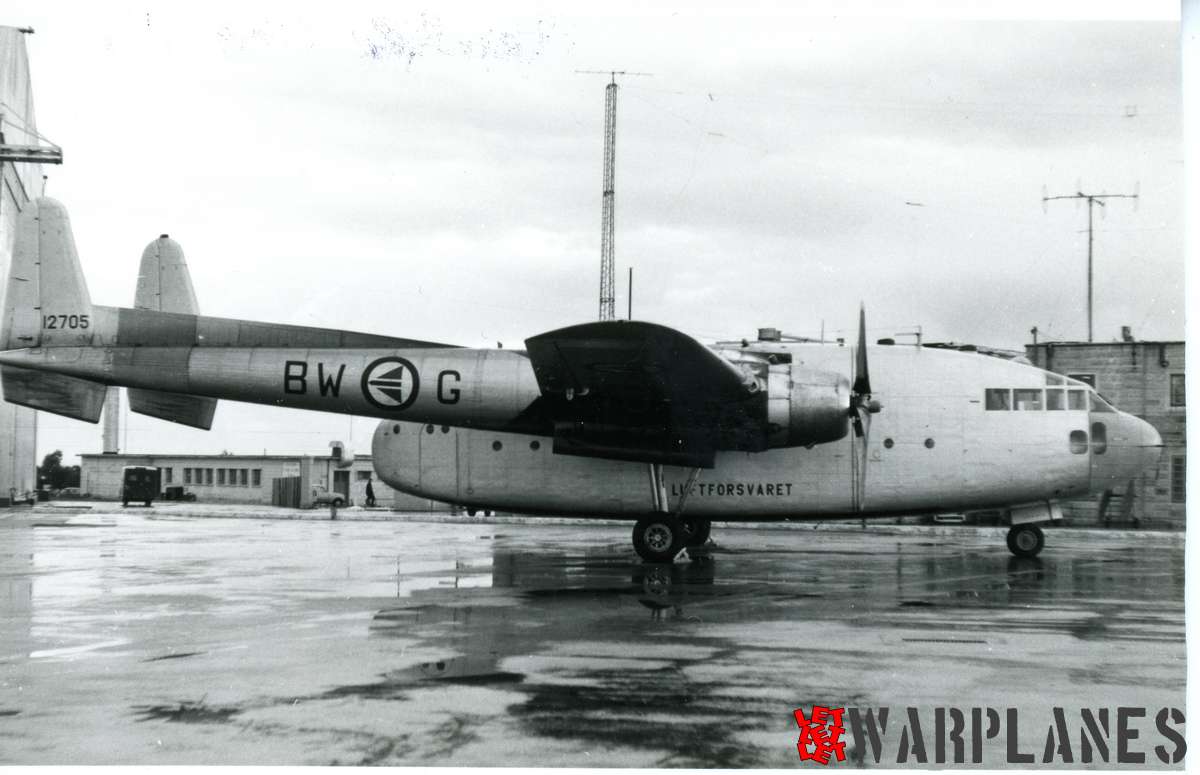
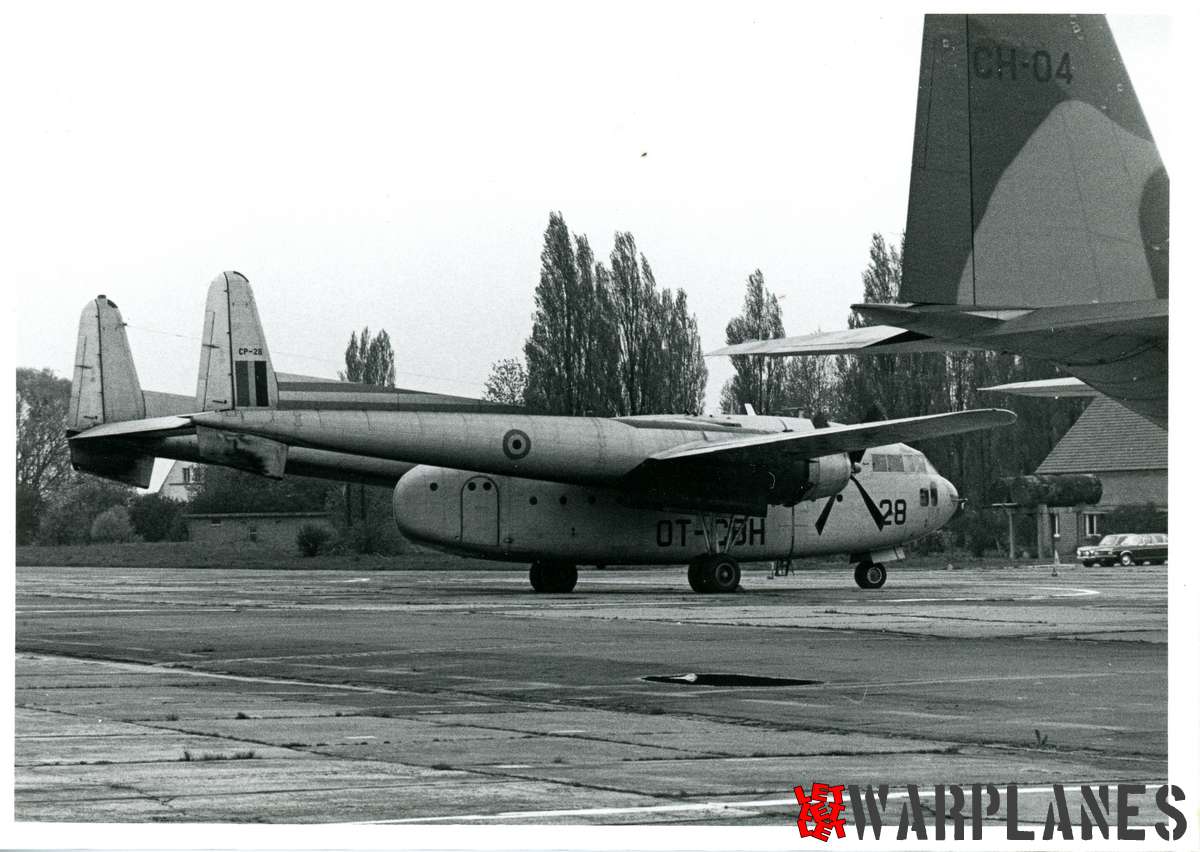
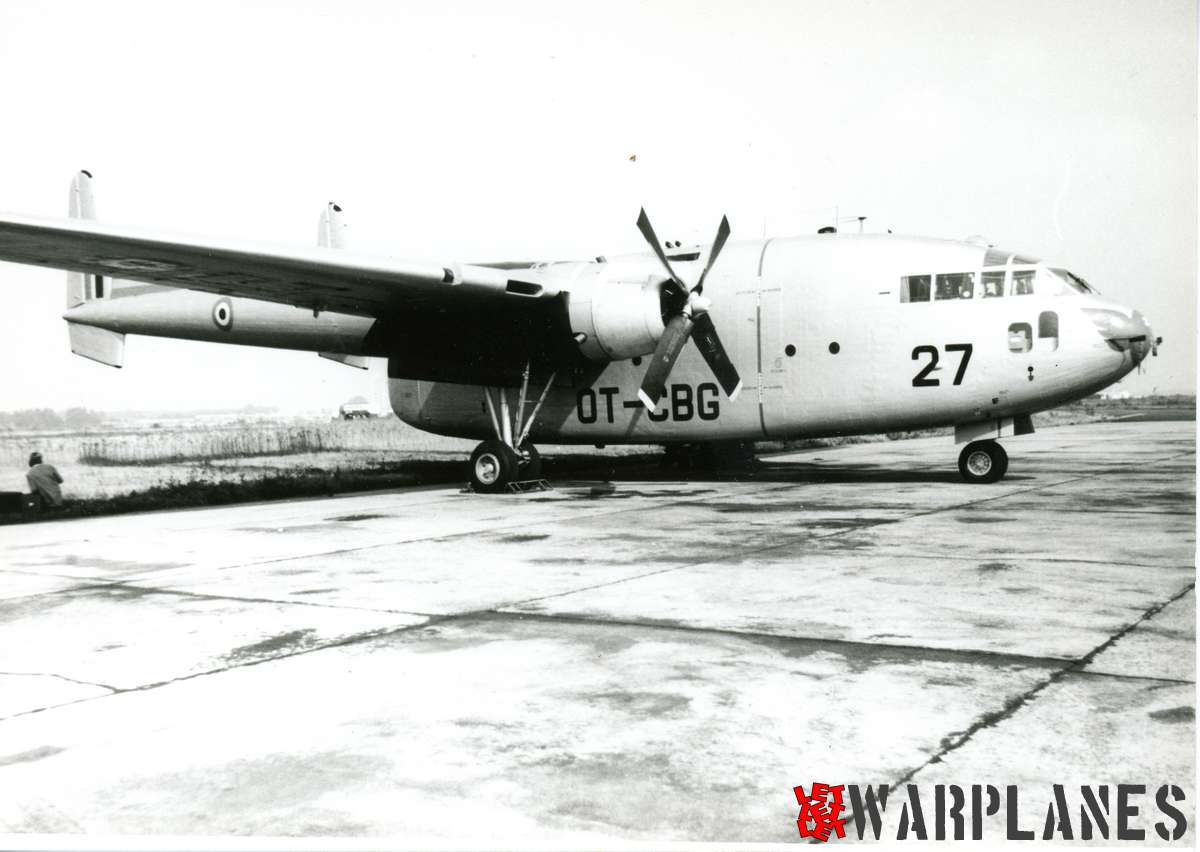
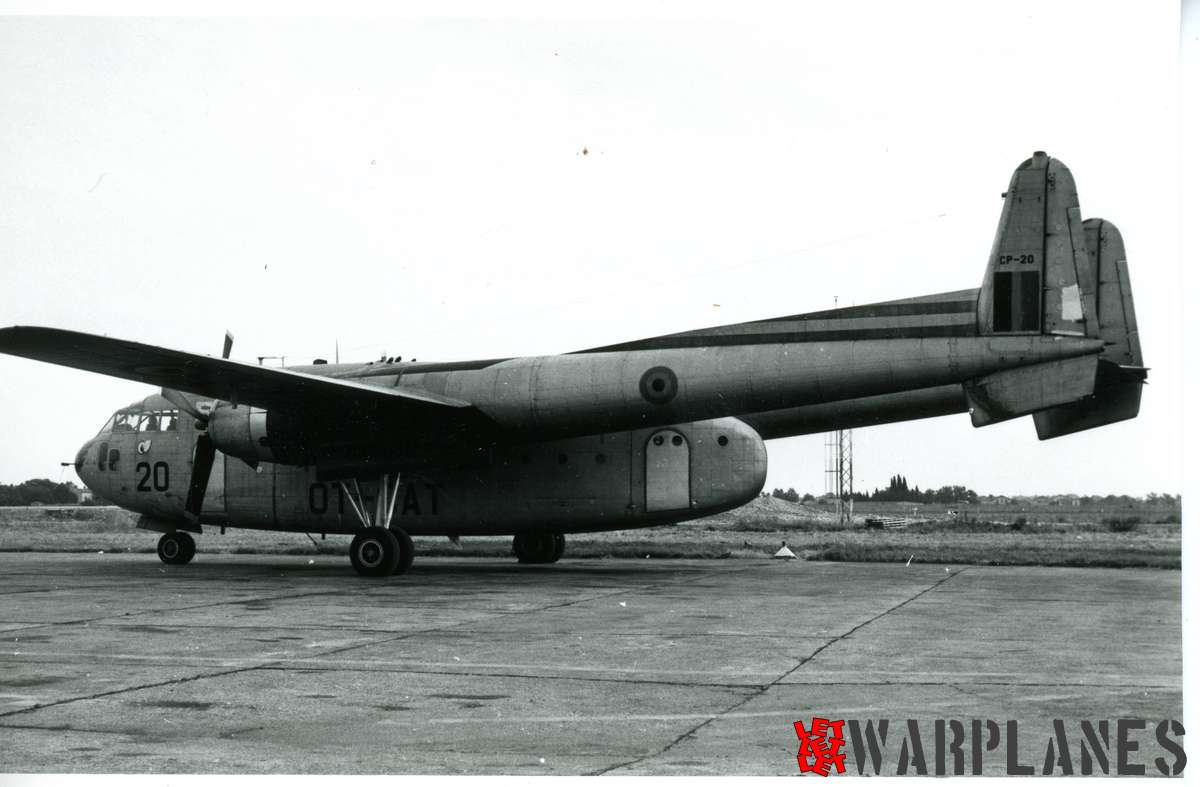
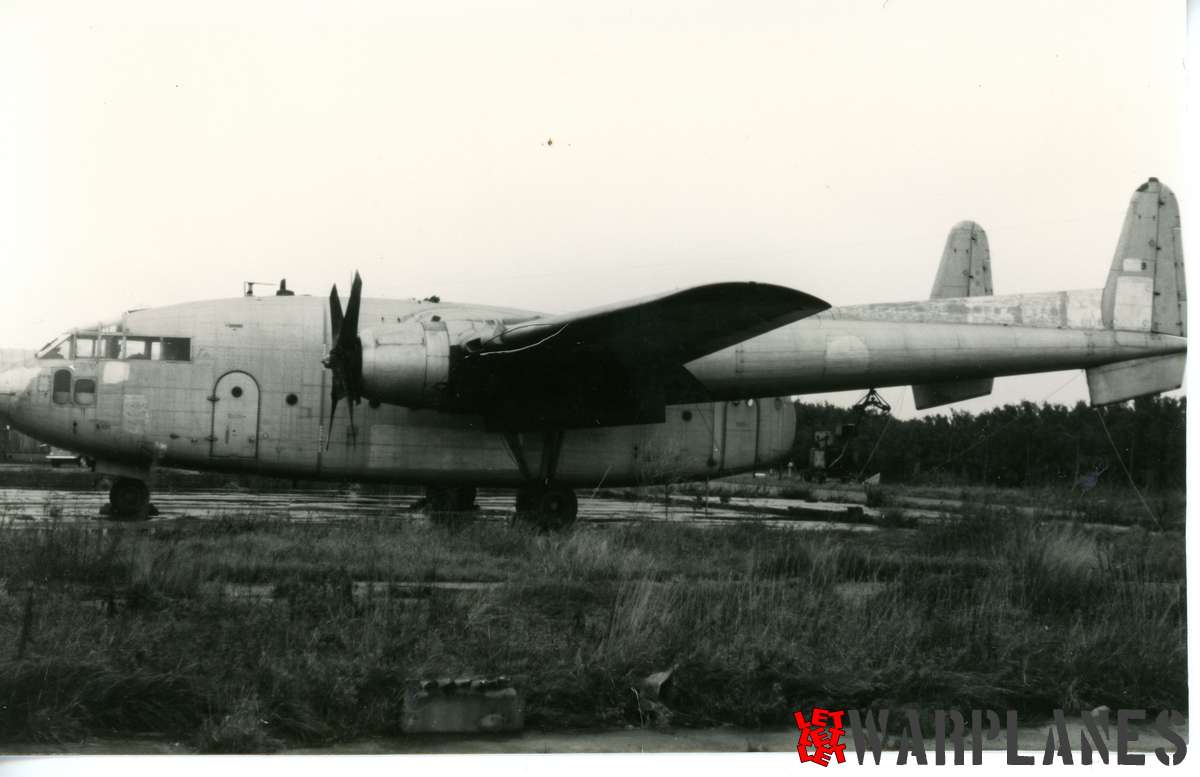


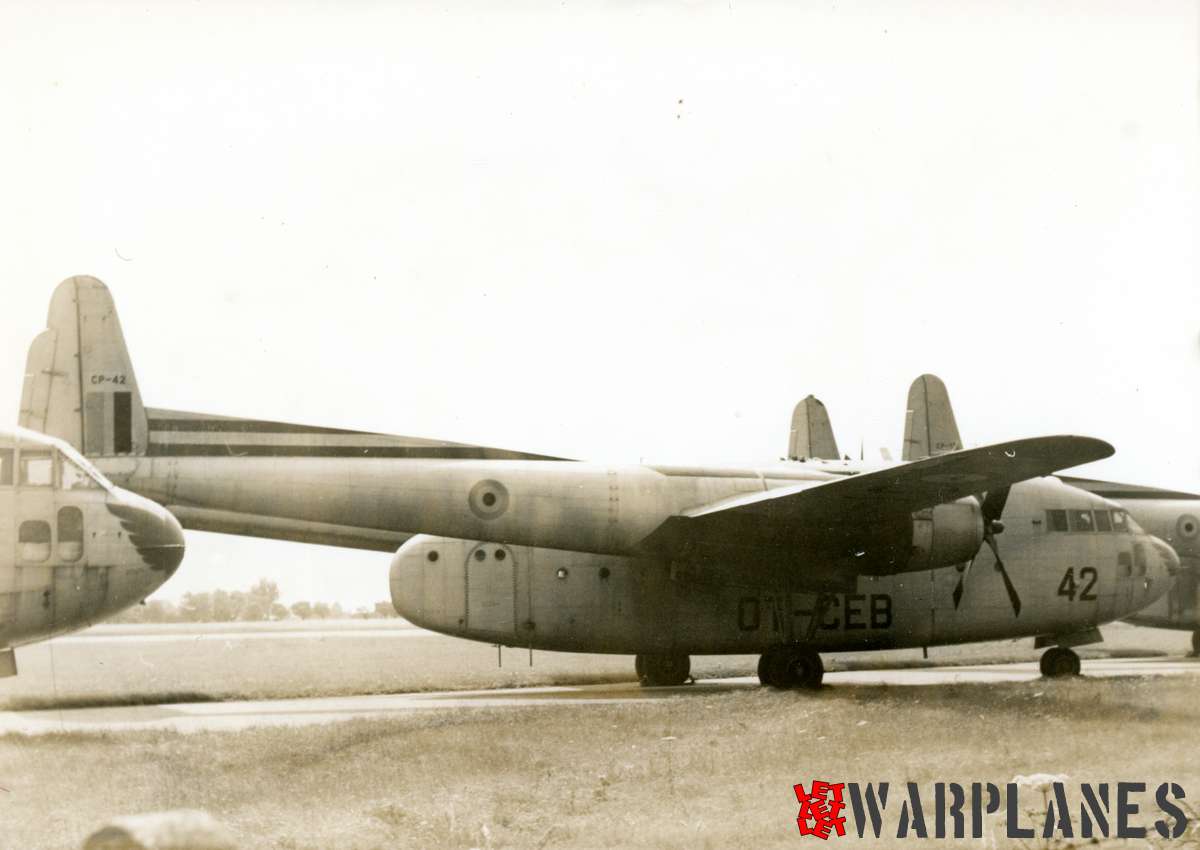
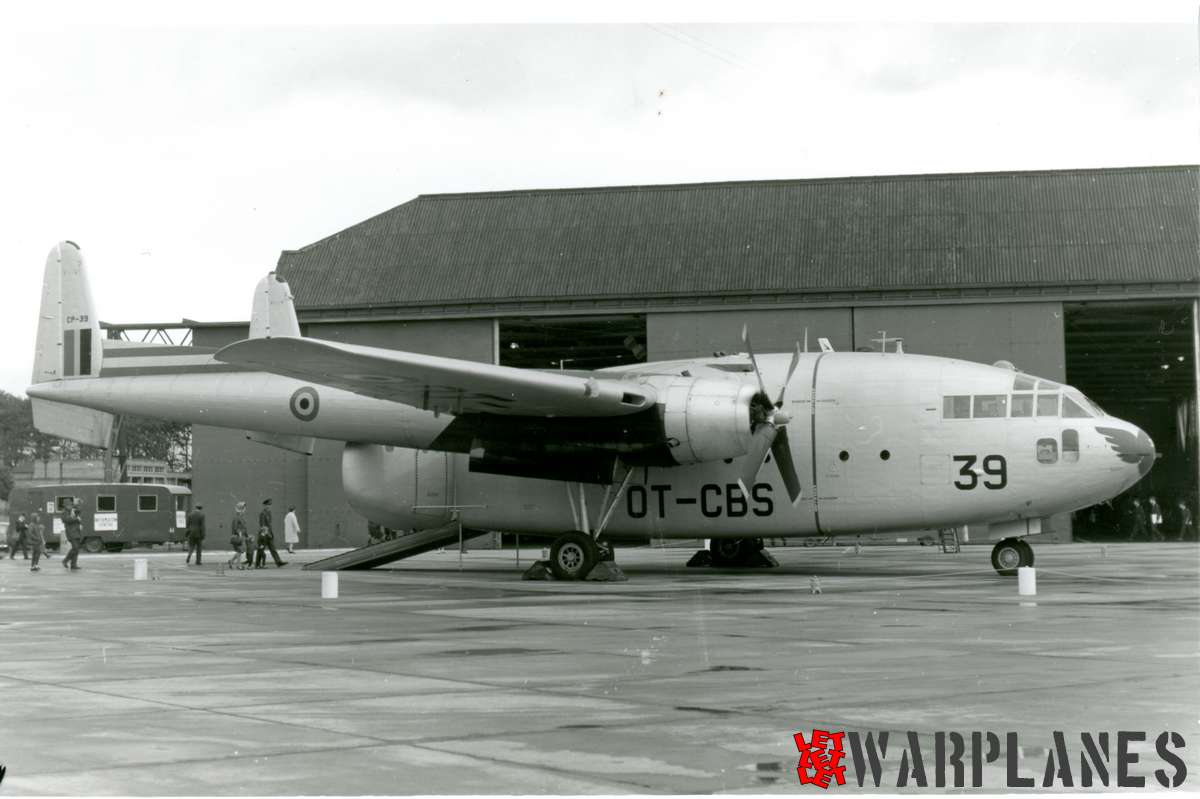
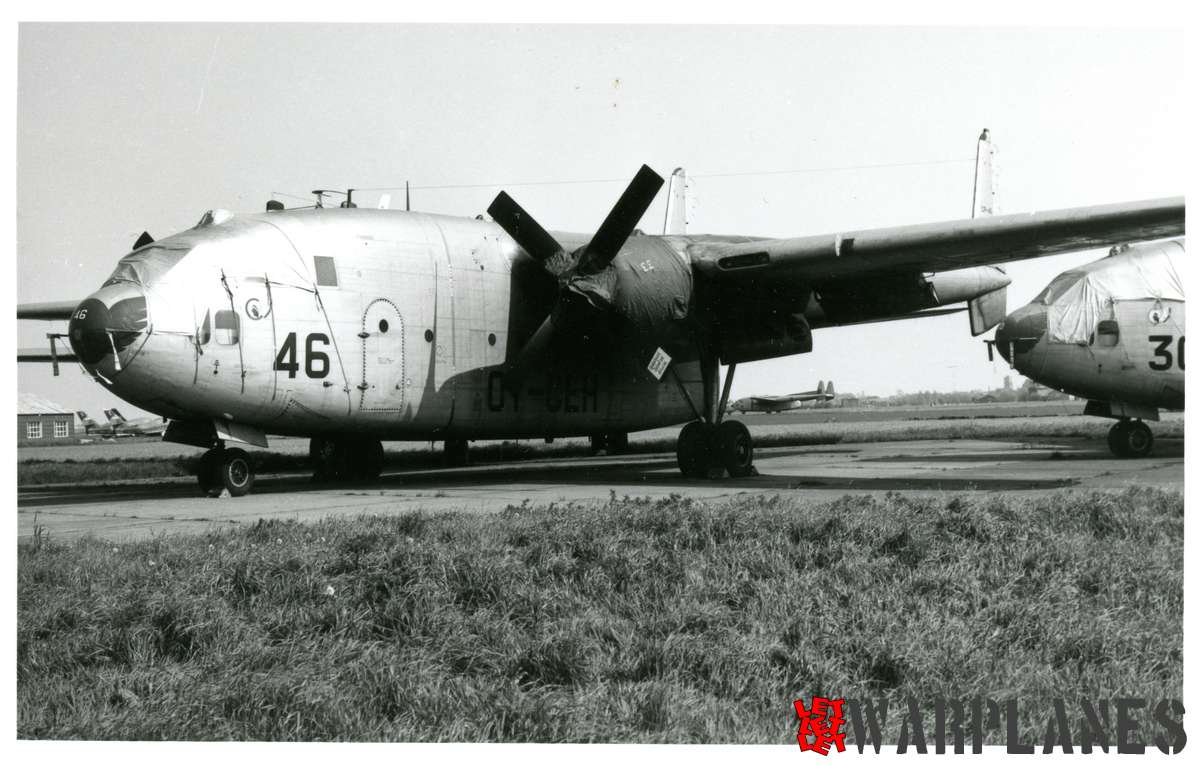

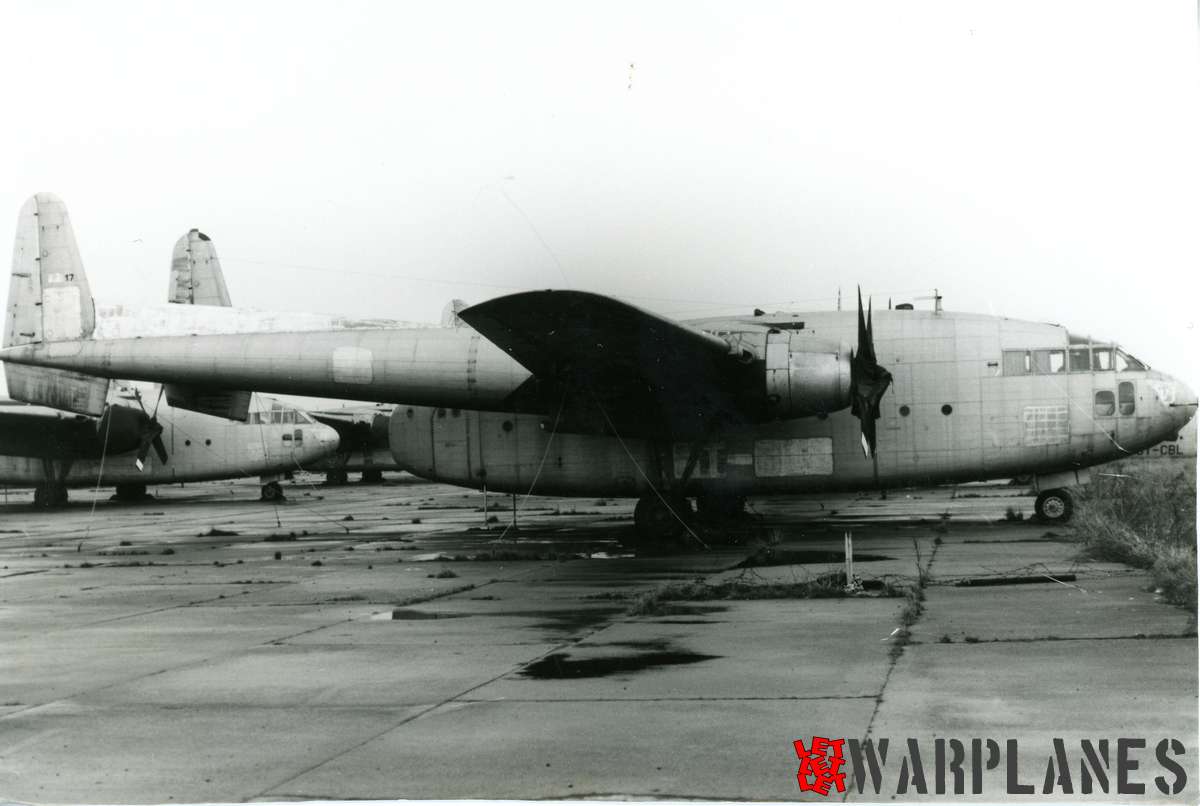
The C-119 was used by the USAF Thunderbirds as a support aircraft from 1954-1959. The plane could carry 30,000 pounds of cargo or 62 fully equipped paratroopers. Clamshell doors at the rear of the plane could be opened for quick loading and unloading of cargo, which could include Jeeps, trucks, and artillery.
Specifications:
Span: 109 ft. 4 in.
Length: 86 ft. 6 in.
Height: 26 ft. 8 in.
Weight: 153,000 lbs. max.
Armament: None
Engines: Two Wright R-4360s of 3,500 hp. each
Performance:
Maximum Speed: 290 mph.
Cruising Speed: 200 mph.
Range: 2,000 miles
Service Ceiling: 30,000 ft.
All photos from Srećko Bradić personal collection
Srećko Bradić