Fiat G.50 variants

Fiat G.50 present one of the very important and wide used combat monoplane in Iaty in WW2. Operational use started in civil war in Spain and used until the last day of Italy in the war. Spain and Finland continue post war use of this airplane and last samples are scraped in the early ’50.
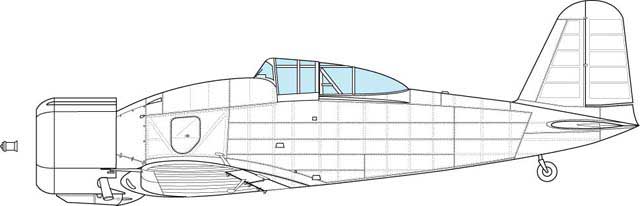
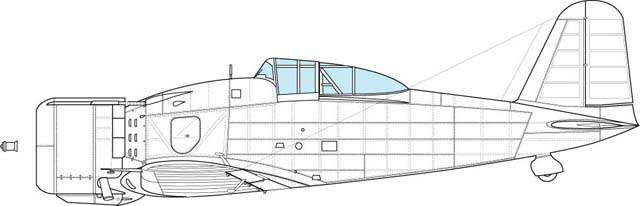
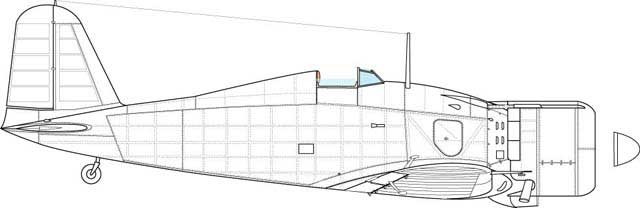
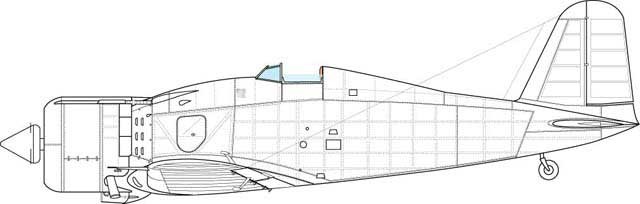
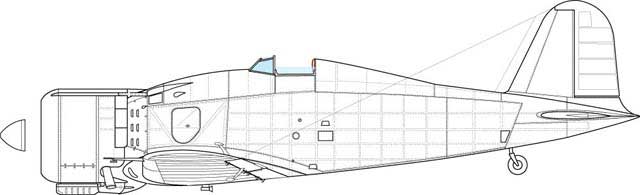
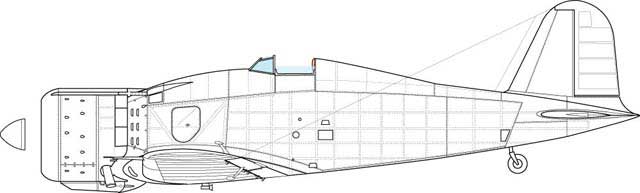
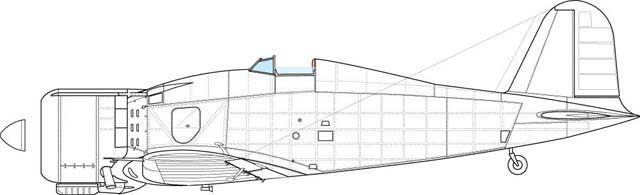
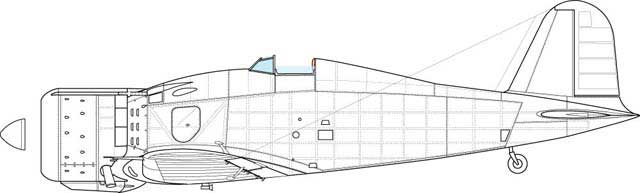
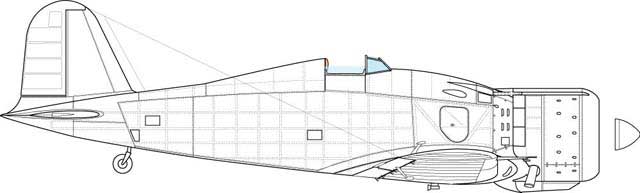
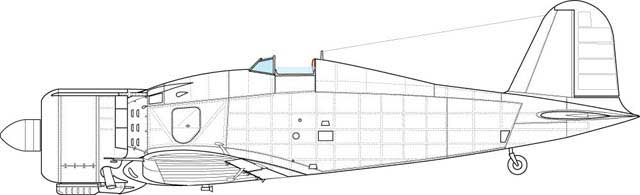
Fiat G.50 first prototype- featured two wing design, no armament, all round view canopy, high vertical tail and fuselage panels specific for first production block.
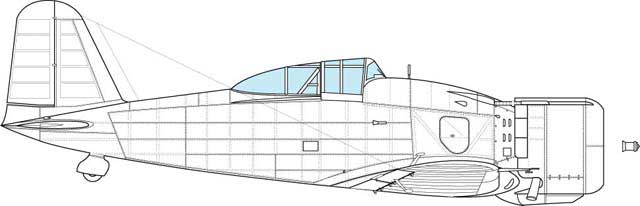
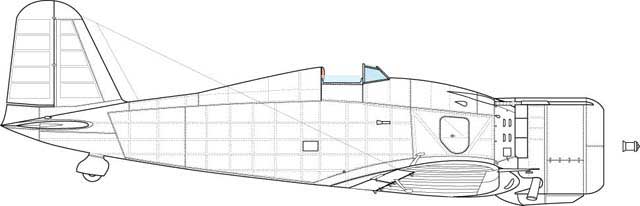
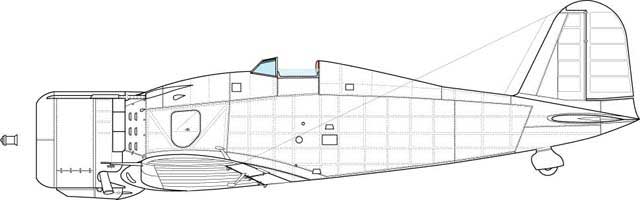
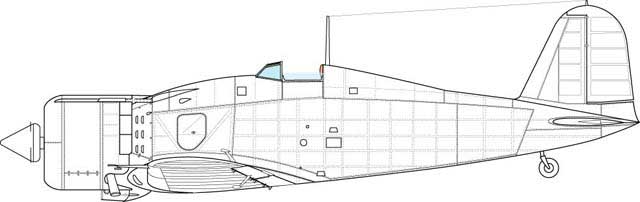
Port side view of the first production block. Feature is- external gun sight ring, high vertical tail, shorten upper cowling flap, all round view canopy.
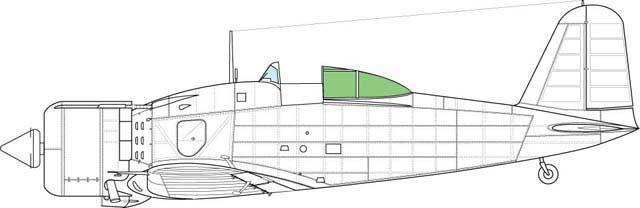
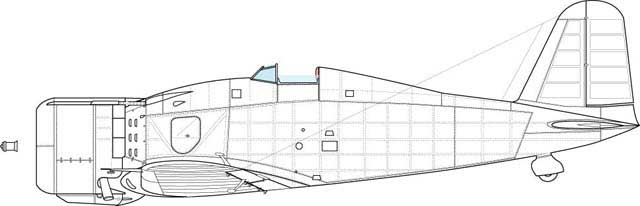
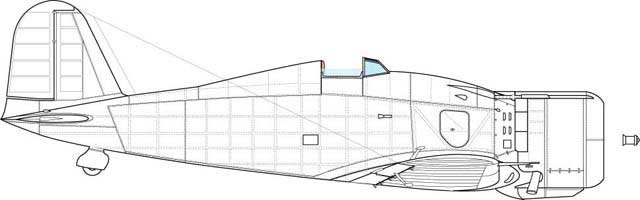
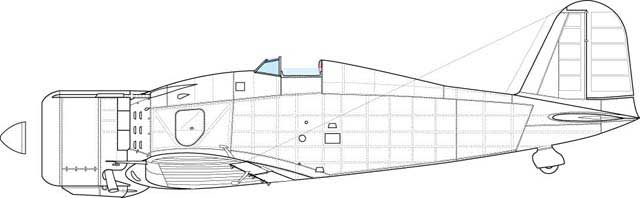
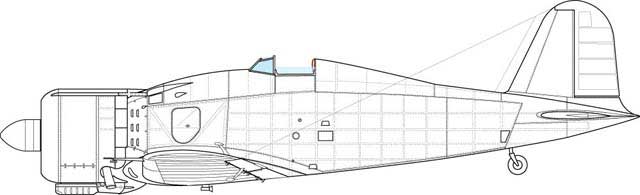
Starboard side view of the first production block. Feature- access panel and side mounted air speed tube.
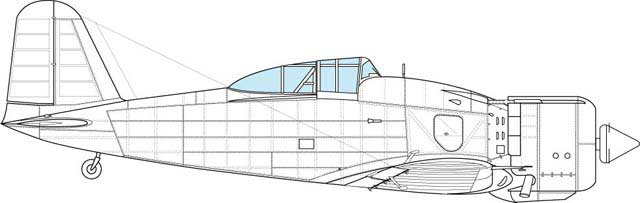
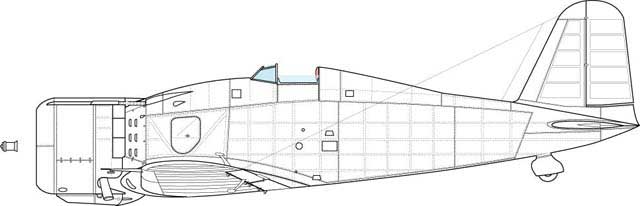
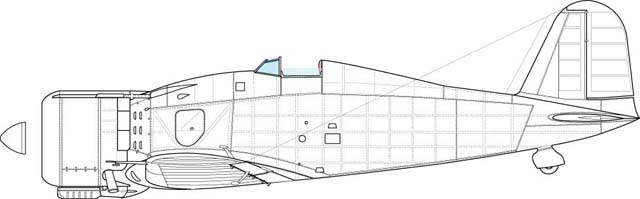
In Finland service this airplane hade a lot of modification. Feature of the lower sample- removed tail wheel cover, spiner cover. Also note non standard two small round openings.
Moderate conversion in Finish service. Feature- new spiner, aerial must in front of the wind shield, removed sliding canopy, new flap door, repainted rear cockpit canopy, removed tail wheel cover and front carburetor intake. Note small square access panel in front and bellow windscreen.
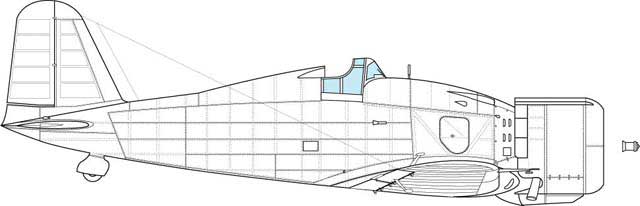
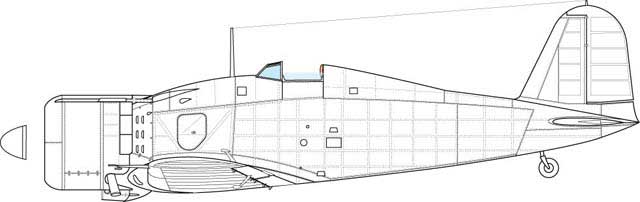
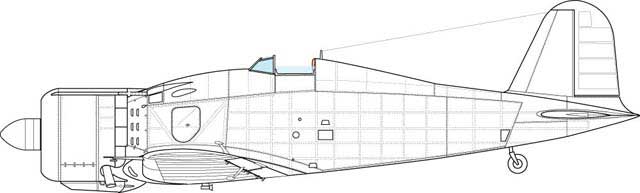
Converted prototype for the main manufacture series, Tetuccio Apperto. Feature- all major external details as first production block with converted canopy and rear section of the fuselage, behind the cockpit.
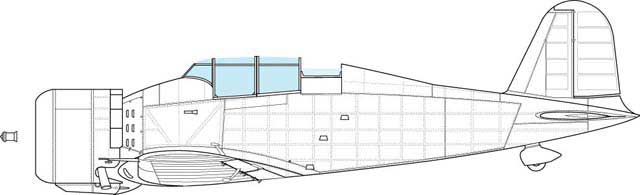
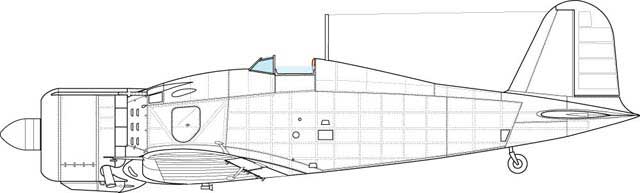
First official block of Fiat G.50. Feature- high vertical tail as on the first block, new design of the canopy and dorsal of the fuselage, absence of the fuselage paneling, long flap in the upper engine cowling, hinge line of the side engine access door in the higher position, no external ring gun sight.

Related posts:

  1. Fiat G.50 history
  2. Ikarus MM2
  3. Eduard’s 49411 F6F-3 Hellcat self adhesive set
  4. Zmaj R-1
  5. Vanneau plastic kit

Pages: 1 2 3 4

About the Author

Srecko

Born in 1966 in Serbia and still live there. From the youngest age interesting in aviation. In the 16. graduated as rocket technician in Military Rocket Center in Belgrade. Some little flying experience on Blanik glider. Passioned plastic modeler. Published several articles in referent magazine and books. Interest goal to the historic search, modeling and art. In this moment work as illustrator for Aero Journal (France) and SAM Publications (UK).

One Response to “Fiat G.50 variants”

  1. Dear Srecko,

    You did a fantastic job in here with that fiat.
    Is it possible that You have plans of Fiat G.50 or G.50 Bis with complet of rivet lines? I thought to make something like that on my own, but mayby You alredy did it?
    (i need them in 1:48)

    Best,

    Jerzy

Leave a Reply