A-10 refueling probe
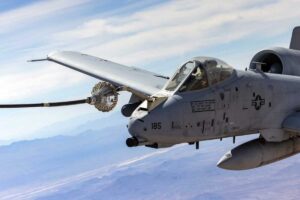
It is reported that the A-10 Thunderbolt II attack aircraft has gained a new in-flight refueling capability- the aircraft is now certified to operate not only with the “probes-and-drogues” system traditionally used by the U.S. Air Force, but also with the “hose-and-drogue” method, which is widely used by the U.S. Navy and Marine Corps.

To implement this solution, a Probe Refueling Adapter (or simply a hose-and-cone refueling adapter) was developed, which is installed in the nose of the aircraft beneath the cockpit. This innovation is notable for the fact that it does not require significant structural modifications to the aircraft. According to the National Guard test center, this adapter can be installed or removed directly at the airfield in a matter of hours, allowing the aircraft’s configuration to be quickly adapted to a specific mission.
With the new system, the A-10 will be able to refuel from Lockheed Martin HC-130J aircraft, which are used in search-and-rescue operations alongside Sikorsky HH-60W helicopters. These platforms are better suited to the attack aircraft’s operating speeds and altitudes, particularly when performing close air support and rescue missions. The introduction of an alternative refueling method also resolves compatibility issues with the new Boeing KC-46 Pegasus tankers, which still face technical limitations when operating with light and slow aircraft such as the A-10.
Testing and certification were completed in record time, it took only a few weeks from concept to operational approval. The first successful refueling flight from an HC-130J has already been completed, confirming the system’s readiness for practical use. It is spotted during the operation “Epic fury”.
Srećko Bradić
References:
https://www.twz.com/air/a-10-warthog-being-tested-with-aerial-refueling-probe
Warthog Learns a New Trick: A-10 Gets Probe-and-Drogue Refueling