Breguet XIX in Yugoslav service
Breguet XIX was appeared just after the WW 1 and originally fitted with a 450hp Bugatti engine and displayed in this form at the Salon Aeronautique of 1921. Being impressed with new warplane, general Uzelac order two samples of this brand new plane. French kindly delivered this planes and one of this was used by Gen. Stanojlovic [natural metal livery].
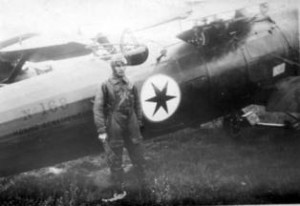 In 1924 Kingdom of Serbs, Croat and Slovenian [later changed in Yugoslavia] placed order of 150 Breguet XIX. This fleet feels the strength of the force and first large unit to be formed, 3. air regiment in Skoplje, was equipped with the type. Initially Breguet XIX saw service as a bomber and reconnaissance.
Alongside with order of planes, contract was made of license assembly and manufacturing in Kraljevo. Deal was for delivery at least 425 planes from the new built factory. In March 1928 first batch of assembled planes were on delivery way and first Breguet XIX completely built in new factory was delivered in June 30. 1930.
After success of Breguet Bidon, some modifications had been taken and this included in new versions of the plane with enhanced capability. Samples on new redesign had rounded wing tips and possibility to load more fuel.
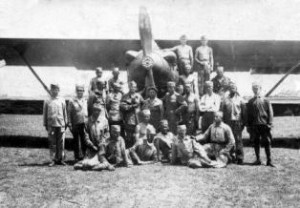 Yugoslav Breguet XIX saw action in 1935 when 12 samples sent to Greece to help to fight rebellions. In that time type slovenly begun to outdate and many of them saw its active service as training planes. Due to its great number, plane was used in the various tasks and unit. Most of the air staff’s had a sample or more of Breguet XIX in its service. It was preferred plane due to its very good handling characteristics. Pilots gave him a nick “Bregejac”. Modernization started by the end of 1937 and until the mid of 1940 type disappeared from the first line unit. New formed Army Aviation employ the type and 86 samples were in the order. All of them were of new type, equipped with Hispano Suiza 650 of Wright Cyclone powerplant. Rest of the great fleet was scraped or used on second line duties.
In the April war Army aviation had some limited success in combat. One of the Army group was from the same beginning flew to Greece and take operation from there. Few targets, including or amour column, was strafed. After the collapse in war a number of samples from various units was captured and used by axis. Few samples [some source stated two] survived the war but were scraped later.
 Breguet XIX was single engined biplane with crew of two or three men. The same plane was of all metal construction, partially fabric covered. Airplane was built into two versions, reconnaissance marked as A2 and bomber marked as B2. In the front of the plane was housed powerplant. Various engines could use on the plane, with instance of replacing of engine mounts and take attention of the propeller gyro effect to the vertical. Following powerplant was used on Yugoslav Breguet XIX: Lorraine-Dietrich 12D 370, Renault 12Kb 450, Lorraine-Dietrich 12Db 400, Lorraine-Dietrich 12Eb 450, Hispano-Suiza 12Ha 450, Hispano-Suiza 12Hb 500, Hispano-Suiza 12Nb 650, Renault 12Ke 500, Jupiter 9Ad 420, Napier Lion XI 450, Wright Cyclone GR-1820-F56 680. Last three digit number present horsepower of the engine. Following chart give data of the version with Hispano-Suiza 650 hp engine:
Maximum speed- 241 km/h at 1500 m
Top ceiling- 7200 m
Wing span- 15,91 m
Length – 9,51 m
Take off weight- 2500 kg
Empty weight- 1540 kg
Max take off weight- 3000 kg
Climb- 5000 m in 20 min
Endurance- 3 hours
Max useful load- 1450 kg
Bombs- 44×10 kg or 40×12 kg, max 400 kg
 Behind of the powerplant section was accommodation with two fuel tanks with total of 440 liter of fuel. Front tank, 320 liter, could be jettisoned in the event of emergency. Whole fuselage was constructed around aluminum tubes and was oval in cross section. Mid section accommodate crew and equipment. In the lower section of the cockpit was box for small bombs. Defense armament was mounted on the ring in the aft of the cockpit and one in the belly. Four machine guns was equipment of the bomber version. On the external wing racks could be mounted four 100 kg bombs or two 200 kg bombs. Small bombs were 12 kg Stankovic and also French type 104 kg was in use as well Stankovic 106 kg.
There were two types of wings. Early had a triangles wing tip and the later type had rounded wing tips. Later model was generally known as a Breguet XIX/7 and was Hispano-Suiza or Cyclone powered.
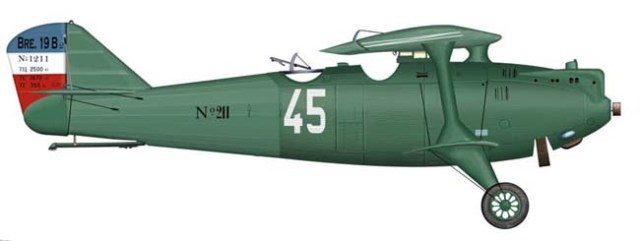
Breguet XIX featured several camouflage patterns. In general they were finished in acetone based French paint Kaki. First coat over the fabric surface was Celon, British product used for preparing of fabric. Then was applied by spray gun one coat of kaki color. That way was used on French delivered samples as well on samples manufactured in Kraljevo. Some samples delivered from French included multi color surfaces and a color used on was post WW 1 derivates. The same colors was Ochre, Green and Brown but without metal pigment in it. Later in the 1938 was again reintroduced colorful camouflage pattern. That was a result of various tests made in that year and the colors used on those first trials could not be determined correctly. As well in that moment France include new camouflage chart, it could be possible that these colors was used. Later in the summer of 1940, at least 15 Breguet was overpainted in Kraljevo and got new camouflage. Underside was grey color and on the topside and sides were used patches in Ochre, Green and Brown color.
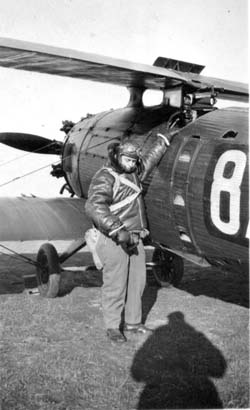 In whole period until the outbreak of war on wings was carried Yugoslav national insignia in four positions. They were of larger diameter. Color used was red, white and mid blue roundel with Kosovski krst [Kosovo’s cross] on it. The same cross was outlined in the flag blue color. On rudder was wide flag in national colors. All of these markings were reduced in size and number in order to the new regulations from 1940.
In the similar manner to the French planes, vertical include a number of inscription in black. They provide an information’s of the type of airplane, register number and operational weights. On the side of fuselage were applied register number and big unit number, mostly in black or white color. In a period on the bottom of the wings was placed large sign which denoted home air base of the plane illustrated above had large N under the wing which indicate Novi Sad airfield.
Srecko Bradic
Photos- Srecko Bradic, Color profile- Srecko Bradic, extract images from manual